
Last updated November 14, 2026
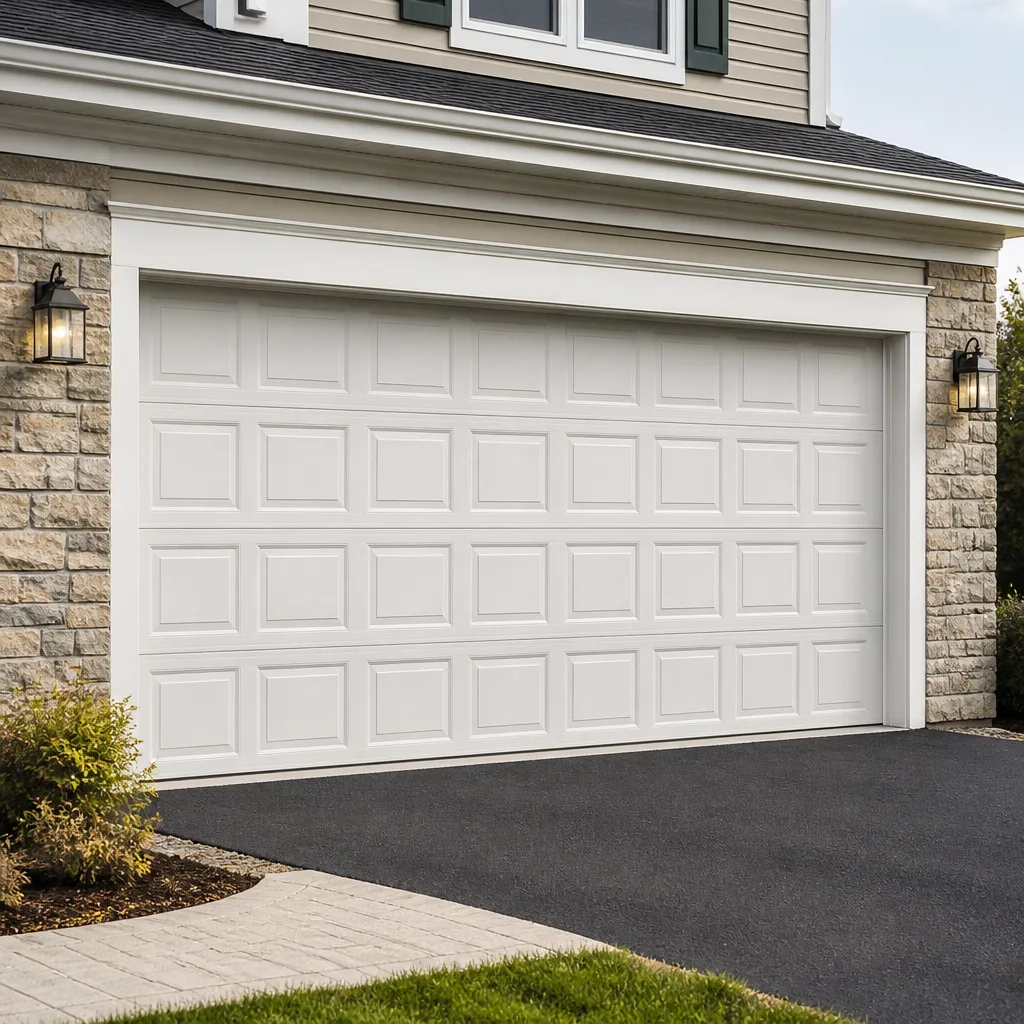 Raised-panel steel
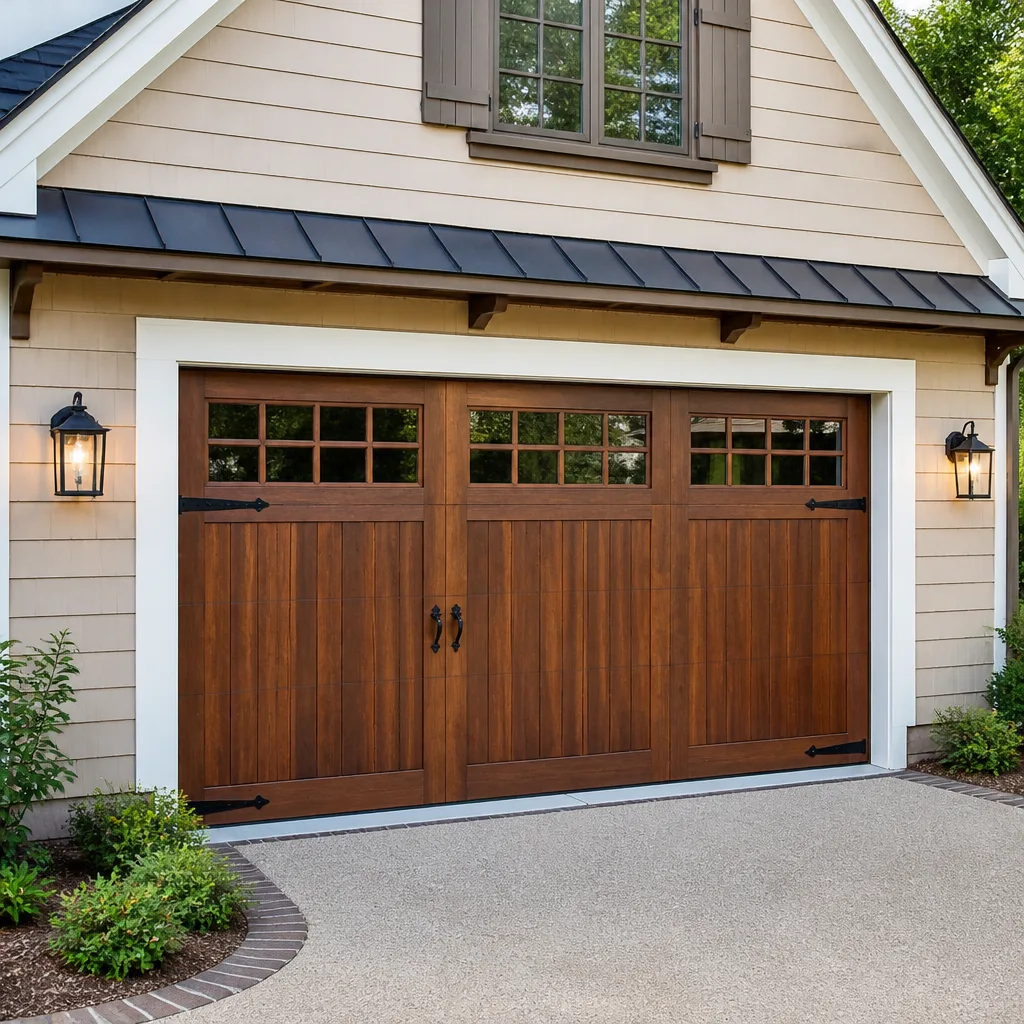 Carriage house
 Modern flush
 Full-view glass
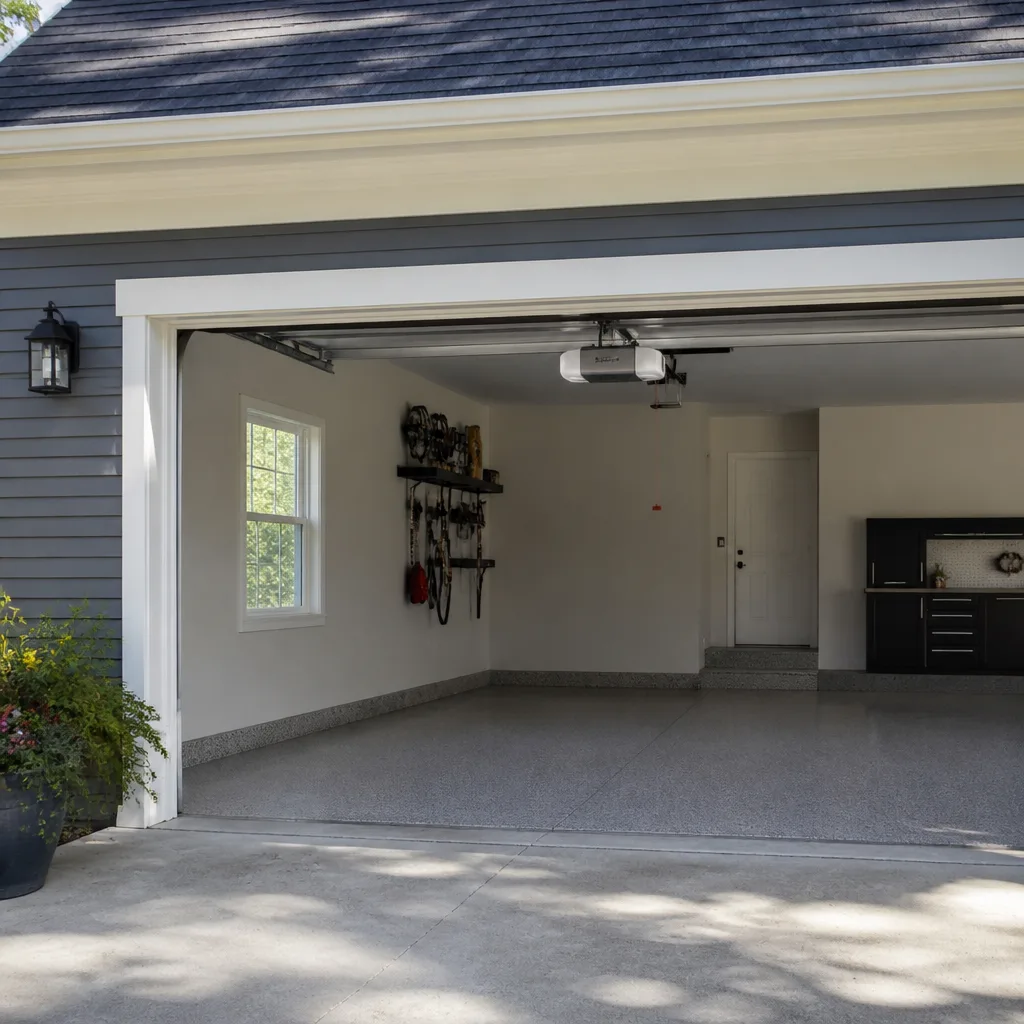 LiftMaster openers
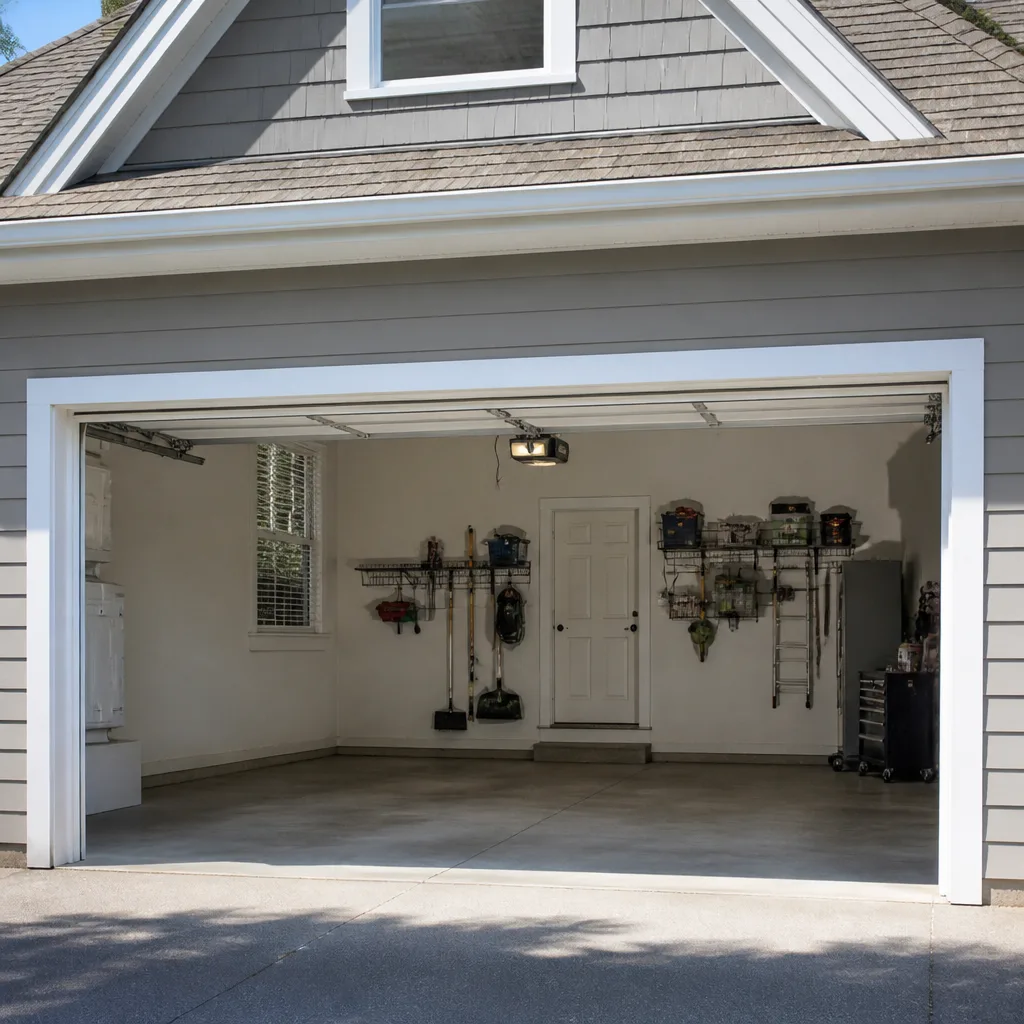 Chamberlain openers
Full 25-point door and opener safety check with every visit - springs, cables, rollers, tracks, and your LiftMaster or Chamberlain opener included
You get a price before we start. It does not change when the truck arrives.
Get your free estimateGarage Door Warning Signs: An Oklahoma City Homeowner’s Reference Guide
A garage door doesn’t usually fail without warning. It tells you for weeks in sounds, speeds, and small visual cues that most homeowners are trained to ignore. The problem is that by the time you notice the big symptom, the small one has already done its damage. This guide from Bellmont Garage Door Repair walks Oklahoma City homeowners through the early signals that precede a full failure, organized by the component that’s actually failing so you can describe the problem accurately when you call. You’ll learn the difference between weather-related quirks and real mechanical trouble, and how Oklahoma City’s heat and humidity shape both.
Styles & brands we work with
- Raised-panel steel
- Carriage house
- Modern flush
- Full-view glass
- LiftMaster openers
- Chamberlain openers
Quick Answer
The earliest garage door warning signs in Oklahoma City are sound changes (new grinding, popping, or squealing), visual shifts (a door hanging slightly crooked, fraying cables, rust at hardware points), and speed changes (slower travel, brief hesitations, or a door that reverses without reason). These signals usually point to a specific component – springs, cables, rollers, tracks, or the opener – and addressing them early almost always costs less than waiting for the failure. The key question isn’t whether something is wrong, but which component is talking to you.
Table of Contents
- Sound-Based Diagnostics: What Your Door Is Saying
- Visual Cues Oklahoma City Homeowners Should Watch For
- Weather Adjustment or Actual Problem: How to Tell
- Opener Symptoms vs. Mechanical Door Symptoms
- Severity Triage: What Can Wait, What Needs a Call, What Needs a Stop
- Component-Specific Warning Signs by Brand
- Common Mistakes to Avoid
- When to Call a Professional
- Frequently Asked Questions
- The Bottom Line
Sound-Based Diagnostics: What Your Door Is Saying
Sounds are the earliest and most reliable warning system a garage door has. In our experience, Oklahoma City homeowners often describe the noise before they notice anything visual, because the sound happens every single time the door moves. Each sound tends to point to a specific component, and learning the difference saves you from guessing.
Grinding
Grinding usually means metal on metal contact where there should be a bearing, a roller, or lubrication. Most often, the rollers themselves are worn and no longer rolling smoothly inside the track. In Oklahoma City, fine dust and humidity combine to accelerate roller wear, and once a roller stops rolling, it drags. That drag creates friction, friction creates heat, and heat shortens the life of every other moving part. A door that grinds for a month isn’t just noisy – it’s actively wearing down the tracks.
Squealing
Squealing is typically a lubrication issue at a specific pivot point: roller bearings, hinge pins, or the opener’s drive rail. Because Oklahoma City’s summer heat thins lubricants, that squeal often shows up first in July or August when the door has baked in afternoon sun. A squeal that stays consistent year-round usually means the lubricant is gone entirely and the metal is dry. A squeal that comes and goes with humidity changes is still worth noting, but it’s less urgent.
Popping
Popping is the sound that deserves the most respect. On a torsion spring system, a popping or snapping sound while the door moves can indicate the spring is beginning to fatigue, especially if the sound comes from directly above the door. On extension spring systems – common on older Oklahoma City homes – the popping often comes from the springs themselves stretching and shifting. This is the sound we want homeowners to recognize quickly, because a spring that pops today can snap tomorrow.
Rattling
Rattling is usually a looseness issue: bolts backing out of hinge plates, track brackets loosening at the wall, or the opener chain slapping against the rail. Oklahoma City’s clay-heavy soils shift with rain and drought cycles, and homes move slightly with them. That movement transfers to the door frame and hardware over time, loosening what was once tight. A rattle that has become a regular noise is often a bolt that has worked its way out entirely.
A quick note on safety: if the sound is coming from a torsion spring or cable area, do not approach the springs or cables. Torsion springs are under high tension and carry real risk of serious injury. That area is for a trained technician. You can listen from a safe distance and describe the sound over the phone.
Visual Cues Oklahoma City Homeowners Should Watch For
Oklahoma City’s climate creates a specific set of visual warning signs. This isn’t Phoenix and it isn’t Houston – it’s a place with real humidity, genuine heat, and seasonal temperature swings that stress metal and fasteners in predictable ways. Watching for these cues takes about thirty seconds a month.
Rust Patterns at Hardware Points
Rust doesn’t distribute itself evenly. It appears first at the places water sits: the bottom brackets, the lower track corners, and any bolt hole where the factory finish has been scratched. On an Amarr or Clopay steel door, surface rust on a lower panel corner is often cosmetic, but rust on the bearing plates, spring cone, or cable drum is functional. Once the cable drum develops rust pitting, the cable doesn’t wind cleanly, and that creates uneven tension. A homeowner can check this without touching anything: stand inside the garage and look up at the cable drums while the door is closed. Pitting, flaking, or orange staining around the cable groove is a sign that service is needed soon.
Track Gaps and Spacing Changes
The vertical track should sit flush against the wall brackets along its entire length. If you see daylight between the track and the bracket at any point, the track has shifted. In Oklahoma City, this often follows a hailstorm or a hard wind event that rattled the door, but it can also happen gradually as the house settles. A track gap that widens by even a quarter inch changes the geometry of the entire door, which forces the rollers to work at an angle, which then wears the hinges and the rollers unevenly.
Cable Fraying
Cables are one of the only components that give a visible warning before they let go. From inside the garage, with the door closed, look at the cables running along both sides. A healthy cable is tightly wound, shiny, and uniform. A cable that is beginning to fail will show individual wire strands separating from the bundle, small rust spots along its length, or a flattening where it wraps around the drum. In Oklahoma City’s humid springs, cables rust faster than in drier climates, so checking them before summer is a good habit. Never touch a cable under tension – just look.
Sagging or Uneven Panel Alignment
Close the door and walk outside. Look at the horizontal lines between panels from across the driveway. They should run parallel to the ground. If one side dips lower than the other, or if a gap widens on the hinge side of one panel, the door is carrying uneven load. On a Genie or Chamberlain opener, the opener may still be moving the door, but it’s working harder than it should, and that extra load transfers to the opener gear and the springs.
Weather Adjustment or Actual Problem: How to Tell
Every Oklahoma City homeowner has heard their garage door sound different in January than it does in July. Wood expands with humidity, metal contracts in cold, and the door that worked fine in October can be sluggish in December. That’s real, and it’s normal – up to a point. The distinction comes down to whether the symptom is consistent.
Here’s a simple four-step check to separate weather noise from mechanical trouble:
- Run the door once in the morning and once in the evening. Weather-related changes tend to soften as the day warms. Mechanical wear does not.
- Listen to whether the sound comes from the same place every time. A loose bolt rattles in one spot. Weather-related expansion creaks wherever the tight points happen to be that day.
- Watch the speed, not just the sound. Cold weather can make the door hesitate, but it recovers. A door that has become permanently slower – in all temperatures, in all weather – has a load problem, not a weather problem.
- Check the cables and springs before assuming the weather is the issue. If the cables are fraying or the springs show a gap, the weather didn’t cause the symptom. It just revealed it.
In our experience, Oklahoma City homeowners often attribute a failing door to “the humidity” or “the cold snap” when in truth the weather simply exposed a component that was already near the end of its life. A door that makes the same noise in April and October isn’t adjusting to anything – it’s asking for help.
Opener Symptoms vs. Mechanical Door Symptoms
Here’s the most common diagnostic confusion we see: a homeowner assumes the opener is failing when the door itself is the problem. The opener is just the motor that moves the door. If the door is heavy because a spring is done, or if a roller is seized, the opener has to strain to compensate. The opener isn’t broken – it’s being asked to do work it was never designed to do. Learning to separate these two categories of symptoms will save you from replacing a perfectly good opener.
Symptoms That Point to the Opener
- The door starts and stops without moving, and you hear the opener motor running.
- The opener reverses immediately after touching the floor, every single time.
- The door doesn’t respond to the wall button or remote, but it moves freely when pulled by hand with the release cord.
- The opener light flashes a specific number of times and the door refuses to move at all.
- The same symptom repeats on every door cycle, not just on cold mornings or after rain.
Symptoms That Point to the Door Itself
- The door is slower than it used to be, but the opener sounds the same.
- The door is crooked when it’s halfway up, then straightens out at the top.
- There’s a new popping or creaking sound that happens only at one specific point in the travel.
- The door hesitates at the same spot in the track every time, then jerks past it.
- The door is balanced poorly when released: it won’t stay in place when pulled halfway by hand.
The quickest test: pull the release handle and lift the door by hand. A healthy door moves smoothly and stays roughly in place when you stop halfway. A door that’s a struggle to lift, or that crashes down or flings up on its own, has a spring problem. The opener was never the issue – it was just the part you could hear.
When a garage door opener repair is genuinely needed, we work on the brands most Oklahoma City homes actually have: LiftMaster, Chamberlain, Genie, and Craftsman. Garage doors are all we do, so the diagnosis considers the door and the opener together, not one in isolation.
Severity Triage: What Can Wait, What Needs a Call, What Needs a Stop
Not every warning sign is an emergency. Some can be noted and monitored. Some deserve a call this week. A few require that the door be taken out of service until a professional can look at it. The guide below is how we think about severity, and it’s the same framework a garage door repair technician in Oklahoma City would use.
Category 1: Can Wait a Week
- A faint squeal that disappears after the door warms up.
- A single loose bolt head that has backed out slightly but the bracket is still flush.
- Light surface rust on a lower panel corner, cosmetic only.
- A remote that works intermittently but the wall button works every time.
- A door that’s slightly slower than it was but still moves smoothly end to end.
Category 2: Needs a Call This Week
- A rattle that has become constant or louder over the last few weeks.
- Cable fraying that’s visible but not severe – a few strands separating, not a visible break.
- A popping sound from the spring area, even if it doesn’t happen every cycle.
- A door that’s visibly crooked at the halfway point but still opens and closes.
- Rust at the cable drums or bearing plates, even if nothing has failed yet.
Category 3: Stop Using the Door Immediately
- A spring has snapped – you’ll usually hear it as a loud bang even from inside the house.
- The cable has come off the drum entirely or shows a clear break in the strands.
- The door drops quickly when released, or slams down when the opener lets go.
- The door jumps or jerks upward on one side when the other side doesn’t move.
- Any part of the door is hanging at an angle with the opener still attached.
If you’re in Category 3, stop using the door. Don’t try to lift it, don’t attempt to re-seat the cable, and don’t run the opener “just once” to get the car in. A door under failed spring tension is dangerous, and the next movement can be the one that drops the full weight of the door. Call and describe what you saw. We answer 24/7. Fast dispatch from 7am to 7pm, Sunday through Friday.
Component-Specific Warning Signs by Brand
Different components fail in different ways, and some brands have recognizable patterns. Knowing the brand you have helps us diagnose faster, and it helps you describe what you’re seeing over the phone.
Springs
Springs are the workhorse of the door, and they fail by breaking, never by telling you in a loud way over a long period. The warning signs are a visible gap in the middle of the spring, a door that’s suddenly much heavier to lift by hand, or an opener that strains audibly. On Clopay doors, which are common in Oklahoma City’s newer subdivisions, the original springs are often matched to the door weight precisely – when one fails, the other is usually close behind. We replace springs in pairs, not one at a time.
Rollers and Hinges
Worn rollers grind and drag. A roller that has lost its bearing surface will wear a groove into the track, and once the track is grooved, the replacement roller has to work even harder. Hinges often fail at the bottom and middle first because those carry the most lateral load. On Amarr doors, the hinge design varies by model line, and we’ve seen the same external symptom – a stiff or squeaking middle hinge – trace to two different internal issues depending on the year. Diagnosed correctly the first time means we know the part before we pull it.
Openers
The opener’s first warning signs are usually behavioral: the door reverses for no reason, the travel limits drift, or the remote range shrinks. On Chamberlain and LiftMaster openers with MyQ connectivity, a unit that drops off Wi-Fi repeatedly or shows sensor errors that come and go is often a logic board issue, not a door issue. On Genie openers, the screw drive or belt drive models each have their own distinct wear patterns, and replacing the wrong part is a $200 mistake. That’s why we ask for the brand and model when you call – it shortens the conversation and gets the right part on the truck.
Safety note: springs and cables are the two components on a garage door you should never try to service yourself. The tension in a torsion spring is enough to cause serious injury if it releases while you’re close to it. Call a professional for anything in that category. Your safety matters more than saving a service call.
Common Mistakes to Avoid
- Ignoring a new noise for more than a week. A new squeal, grind, or rattle that persists past a few days is a component failing, not a passing mood. The sooner it’s identified, the smaller the repair.
- Lubricating everything with WD-40. WD-40 is a degreaser and water displacer, not a lubricant. Sprayed into rollers or hinges, it temporarily quiets the squeak by washing away what little lubrication remained. The squeak comes back louder within days, and now the part is dry.
- Blaming the opener for every symptom. The opener is the symptom carrier, not the cause. A garage door that moves slowly is almost always a door problem, not a motor problem. Replacing the opener first is the most expensive way to learn that.
- Assuming an Oklahoma City summer is good for the door. Heat thins lubricant and speeds rust in the presence of humidity. The hottest week of the year is when a dryer-than-dry roller finally seizes. Checking lubrication before June is cheaper than replacing a track after August.
- Running the door one more time after a cable or spring failure. The first failure may end with the door still on the tracks. The next movement can pull the door sideways, bend the track, and turn a spring replacement into a full door replacement. If the spring snapped or a cable has come loose, stop using the door.
- Buying parts online and guessing the size. Springs, cables, and rollers are sized specifically to the door weight, panel height, and track radius. A spring that’s one size off changes the entire balance of the door and can shorten the life of the opener. The written estimate sets the price, and the right part comes from knowing the door, not shopping blind.
- Waiting until the door won’t open at all. A door that fails closed is a car trapped in the garage. By the time it’s fully failed, you’ve lost whatever flexibility you had to compare options. Addressing the warning signs while the door still works is always the better path.
When to Call a Professional
If you’ve made it this far and any of these signs sound familiar, you’ve already done the hard part: noticing. The next step is describing it. A professional doesn’t need you to have the right terminology – a description like “it pops near the top on the right side” or “it’s slow when it’s cold” is usually enough to start the diagnosis.
Call a professional when the noise is new and persistent, when the door has become noticeably slower in all weather, when the cables look different than they did last month, or when the door does something mechanically impossible to explain. Oklahoma City is home to a lot of older houses with older doors, and those doors are more likely to have extension springs and heavier panels. The older the system, the more those early warning signs matter.
Bellmont Garage Door Repair offers free estimates in Oklahoma City – call (833) 842-7854. We answer 24/7. Fast dispatch from 7am to 7pm, Sunday through Friday.
Frequently Asked Questions
A garage door spring usually gives one or more of these warning signs: a visible gap opening in the middle of the spring, a popping sound from the spring area when the door moves, a door that suddenly requires much more effort to lift by hand, or an opener that’s straining loudly as it works. If you see a gap in the spring itself, stop using the door and call (833) 842-7854 – a spring in that condition can snap without much additional warning.
Summer grinding in Oklahoma City is almost always metal-on-metal contact at the rollers, where heat has thinned the lubricant or the roller bearing has worn out entirely. Oklahoma City’s combination of high summer temperatures and humidity accelerates roller wear, and once a roller stops rolling, it drags along the track and grinds. A quick call to (833) 842-7854 gets you a free estimate on roller inspection and replacement.
Some seasonal speed change is normal – metal contracts in cold weather, and a door that’s sluggish for a minute on a January morning can be a weather response. The key question is whether the slowness is consistent: if the door is slow in October and also slow in April, that’s not weather. That’s a load or lubrication issue that’s been masked by the season. Bellmont Garage Door Repair serves Oklahoma City and can help you tell the difference.
Pull the release handle and lift the door by hand. If it moves smoothly and stays in place when you stop halfway, the door is balanced and the problem is likely the opener. If the door is heavy, drops, or jerks, the problem is in the door – usually springs or rollers. This one test separates opener symptoms from door symptoms better than anything else, and it takes about ten seconds. For a full diagnosis, call (833) 842-7854.
No, and you shouldn’t try. Cables operate under the same spring tension as the springs themselves, and a cable that’s begun to fray can release unpredictably while you’re working near it. A frayed cable needs to be replaced by a trained technician, not re-wound or patched. If you see fraying on your Oklahoma City garage door, call (833) 842-7854 for a free estimate and leave the cable alone until we arrive.
Every month is a good rhythm in Oklahoma City’s climate. A thirty-second check once a month – look at the cables, look at the spring for gaps, listen for new noises during a full open-and-close cycle – catches nearly every warning sign early. Most of the failures we see in Oklahoma City homes have been developing for weeks before the homeowner notices. That monthly check is the difference between a small repair and a full door replacement.
The Bottom Line
The garage door is the most-used mechanical system in most Oklahoma City homes, and it’s also the most ignored until it stops working. The sound you’ve been hearing for a month, the cable that looks a little fuzzy, the door that’s half a second slower than it used to be – these are all messages, and they’re specific. Learn the sounds. Check the visuals. Know the difference between weather and wear. And when any of it becomes consistent, call someone who does this all day, every day. The early call is always the cheapest call.
Written by the team at Bellmont Garage Door Repair, serving Oklahoma City since 2014.
See the difference
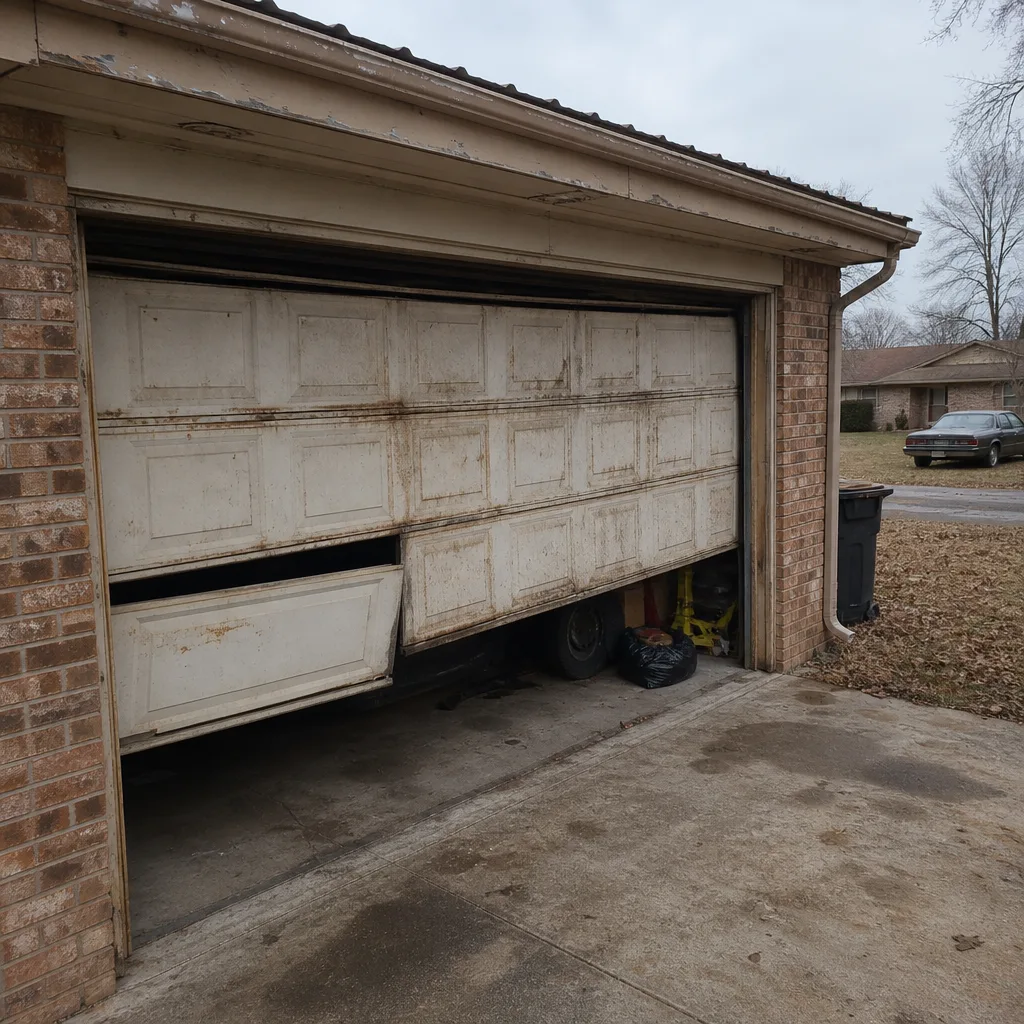 Before
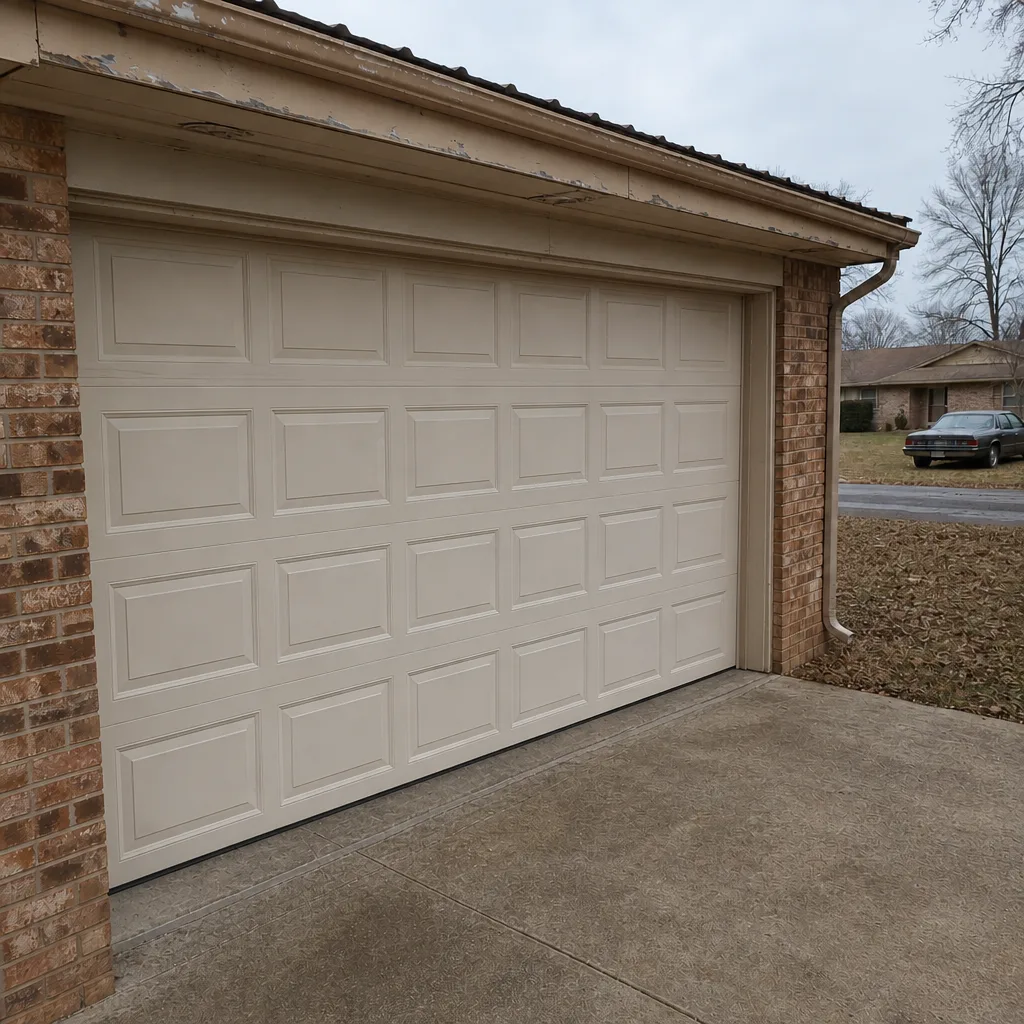 After
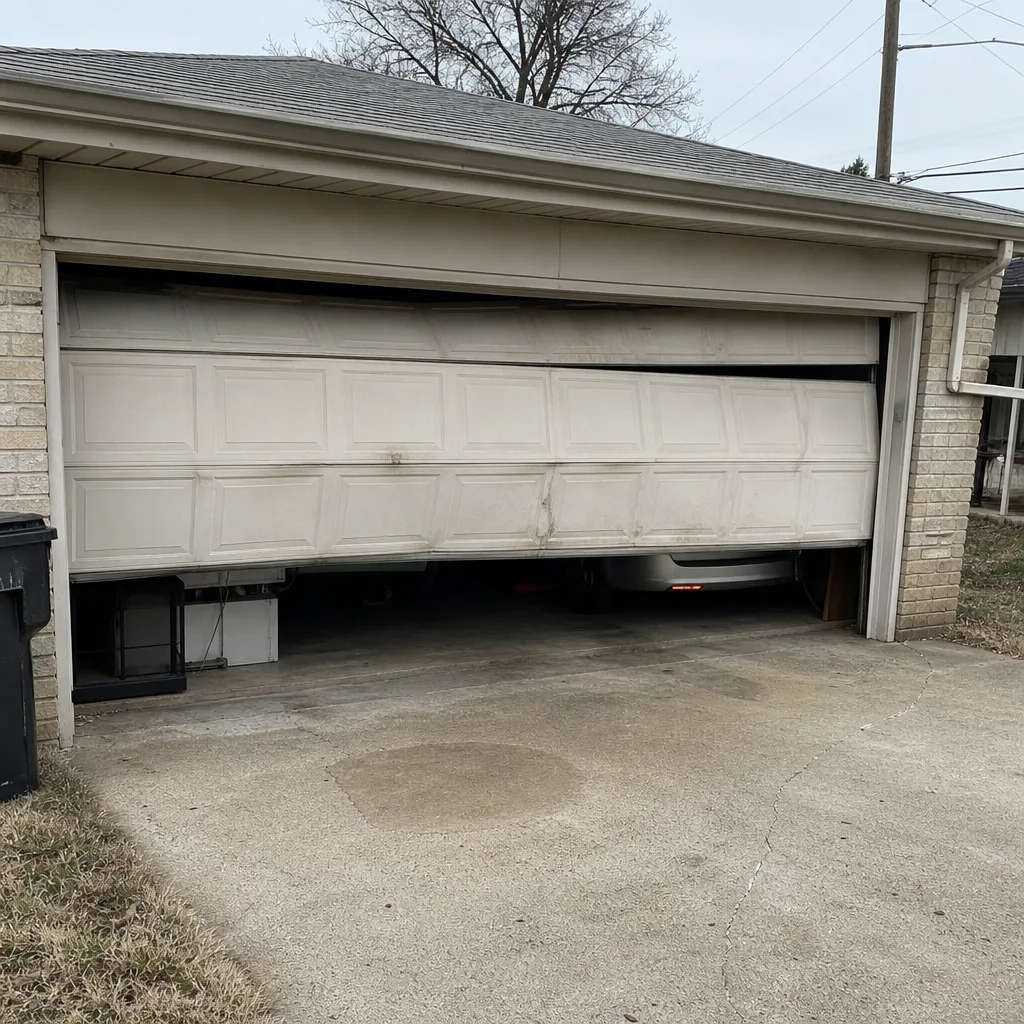 Before
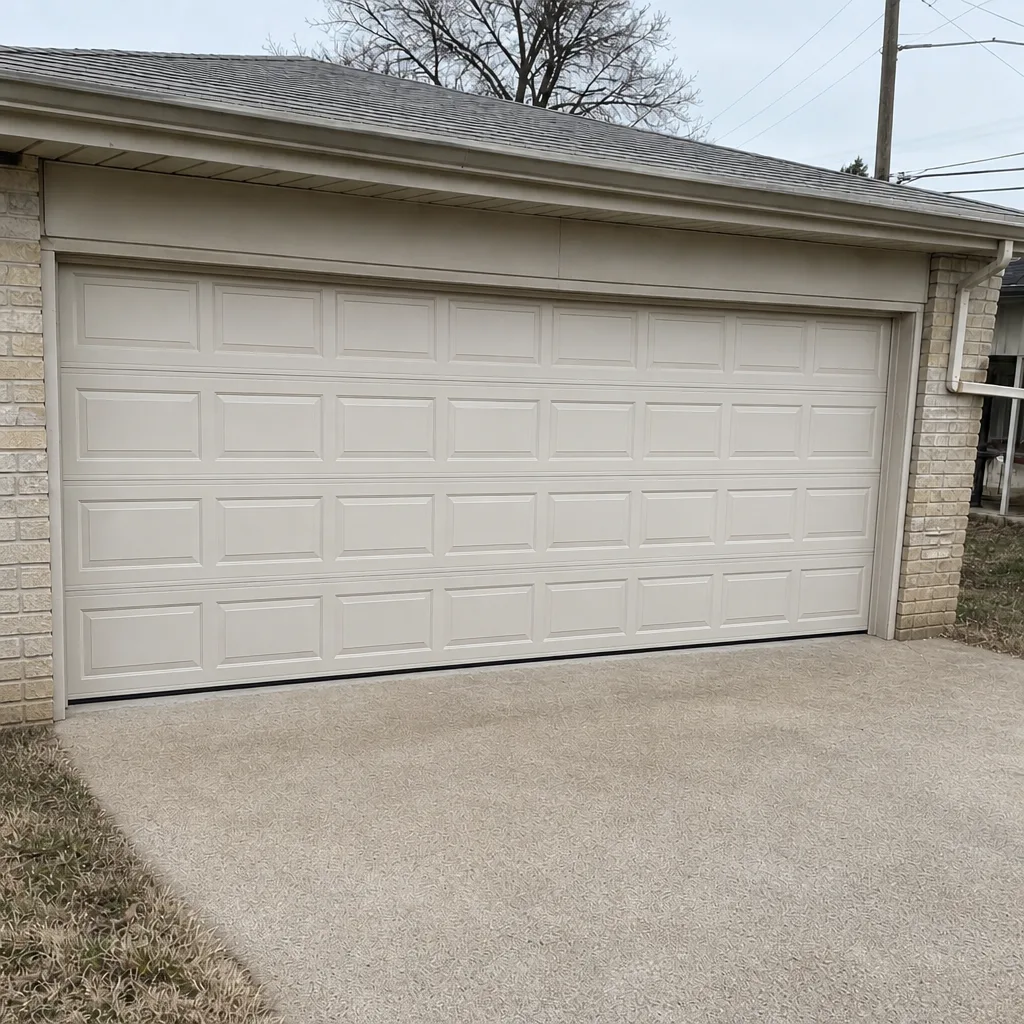 After
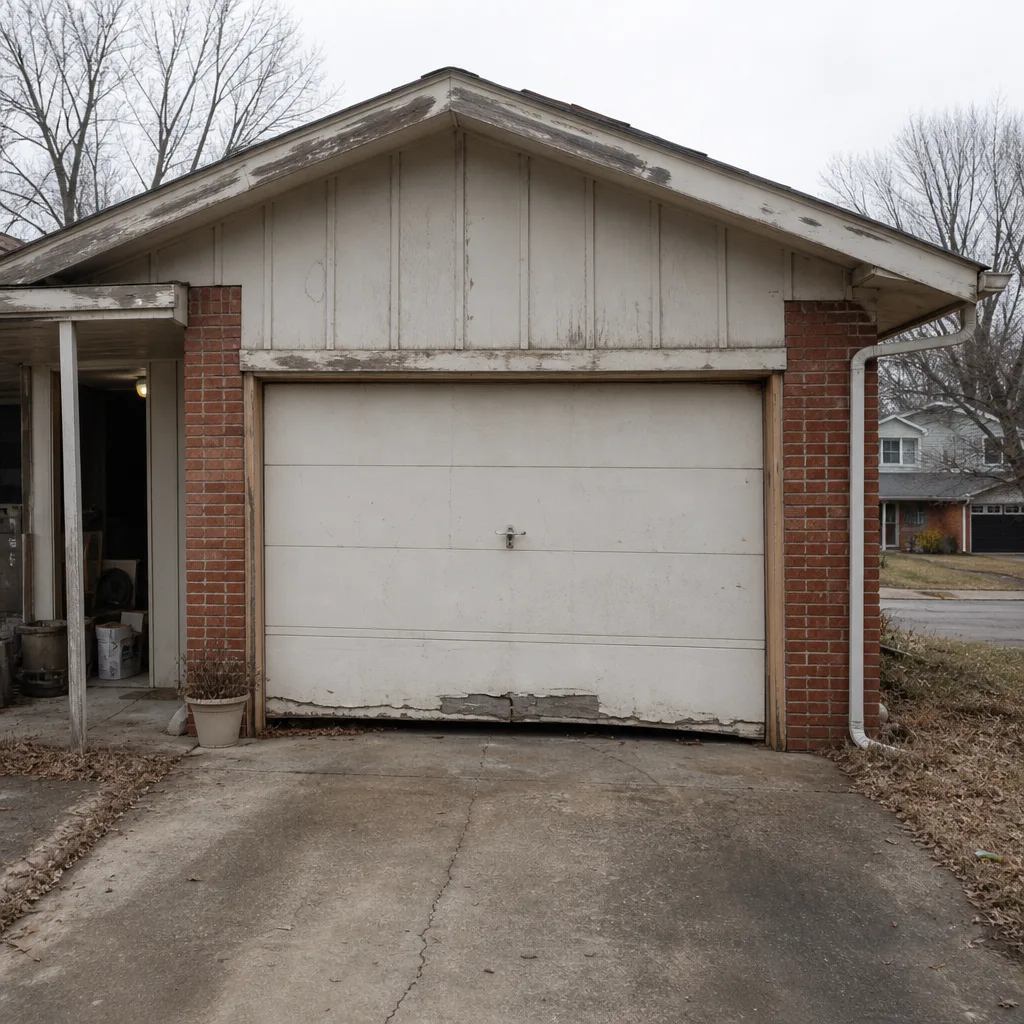 Before
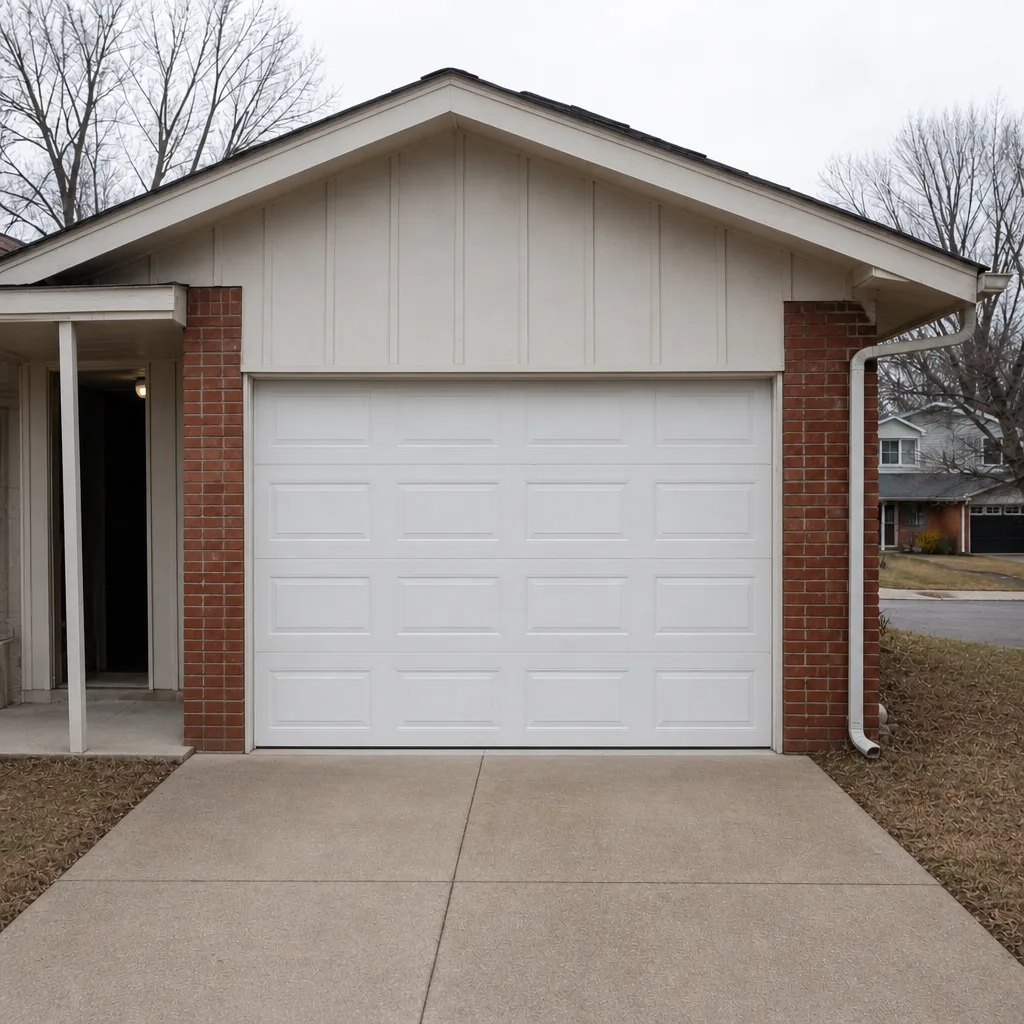 After