
Last updated November 14, 2026
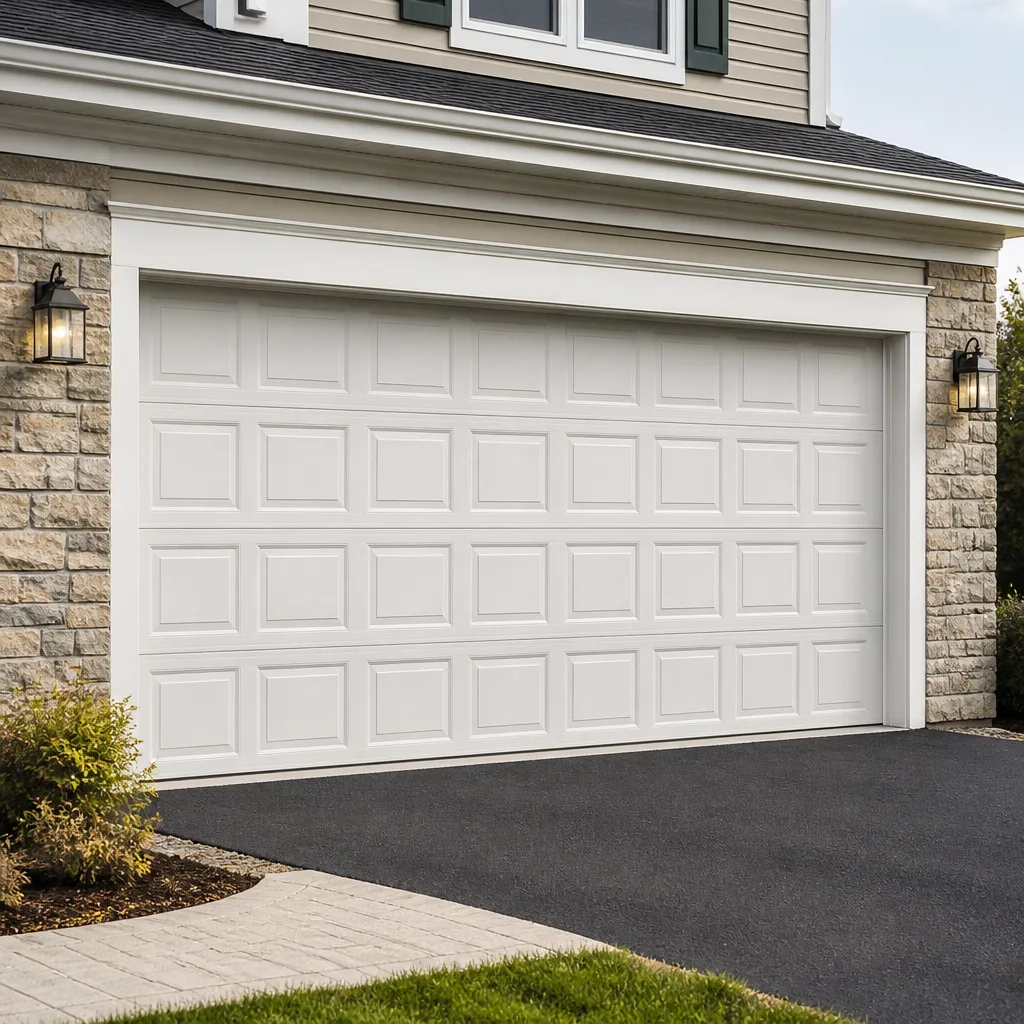 Raised-panel steel
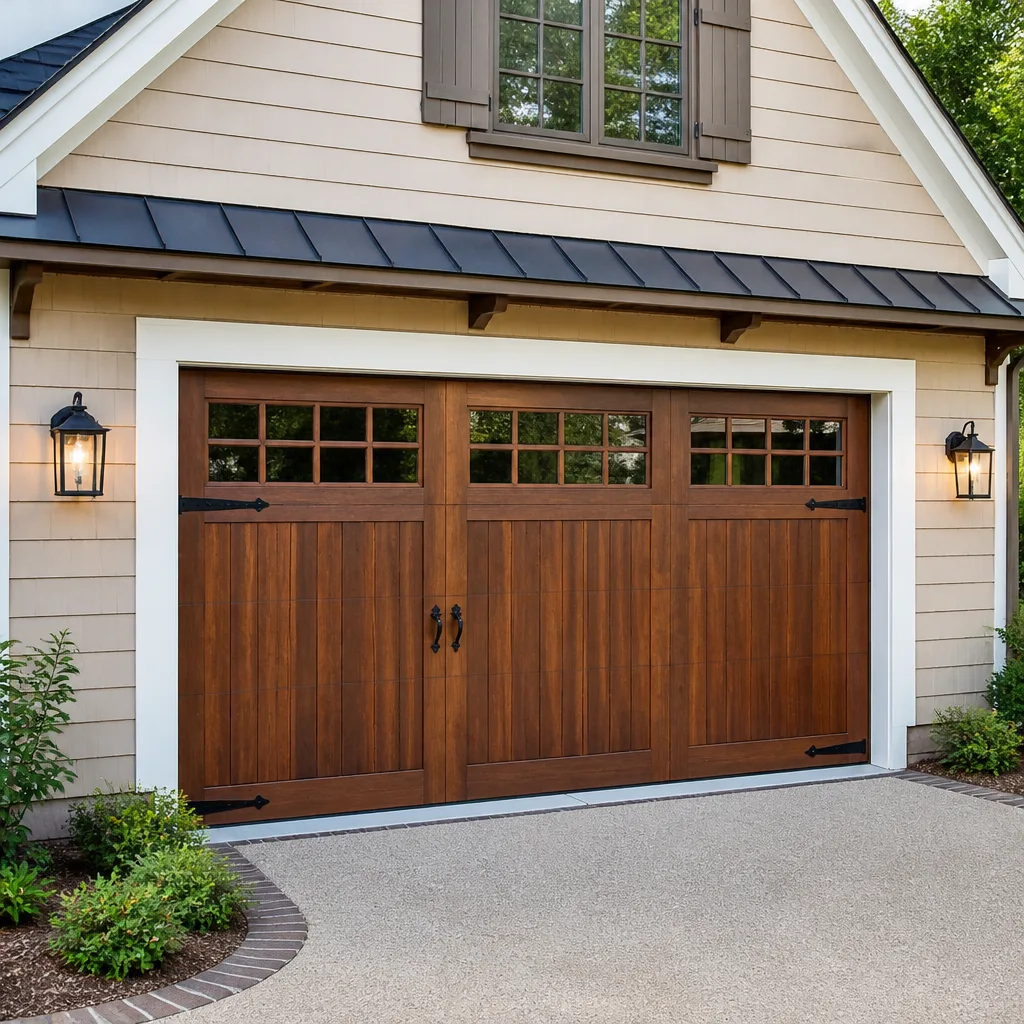 Carriage house
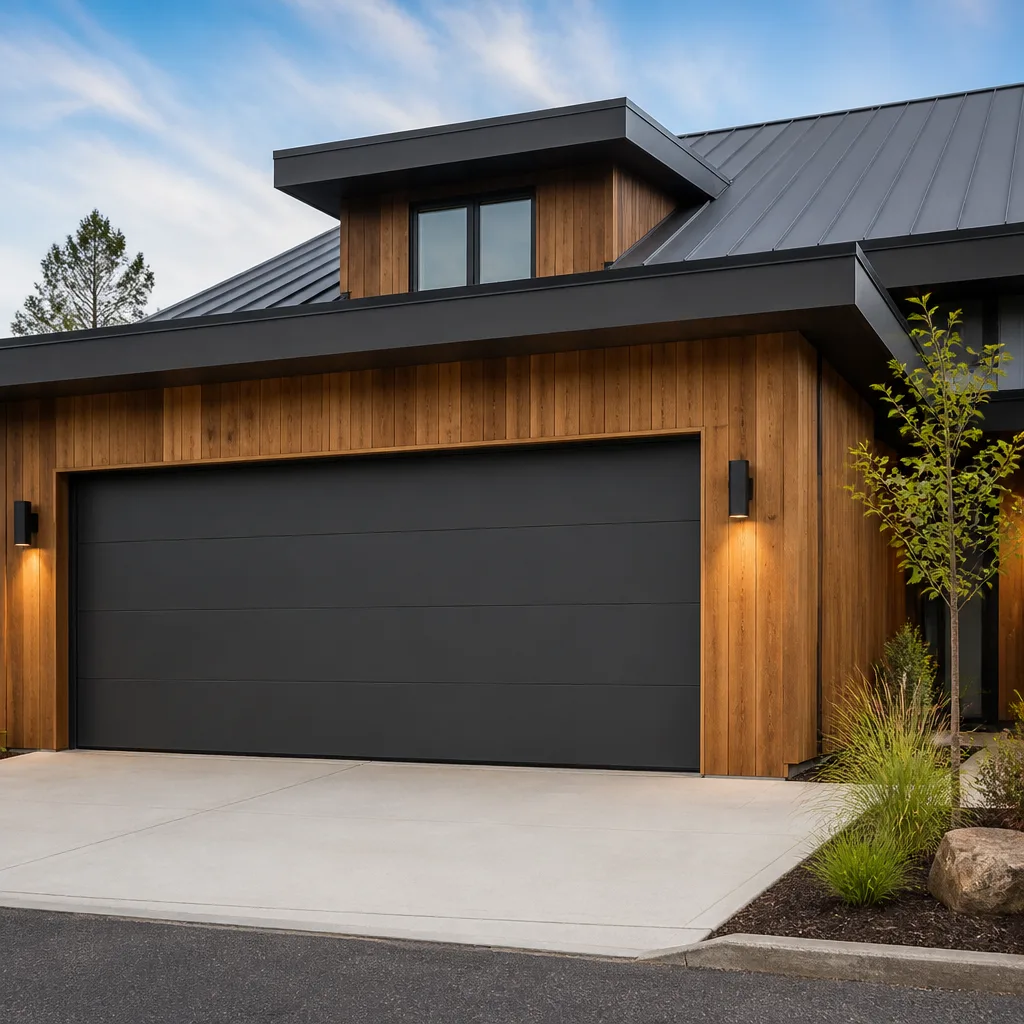 Modern flush
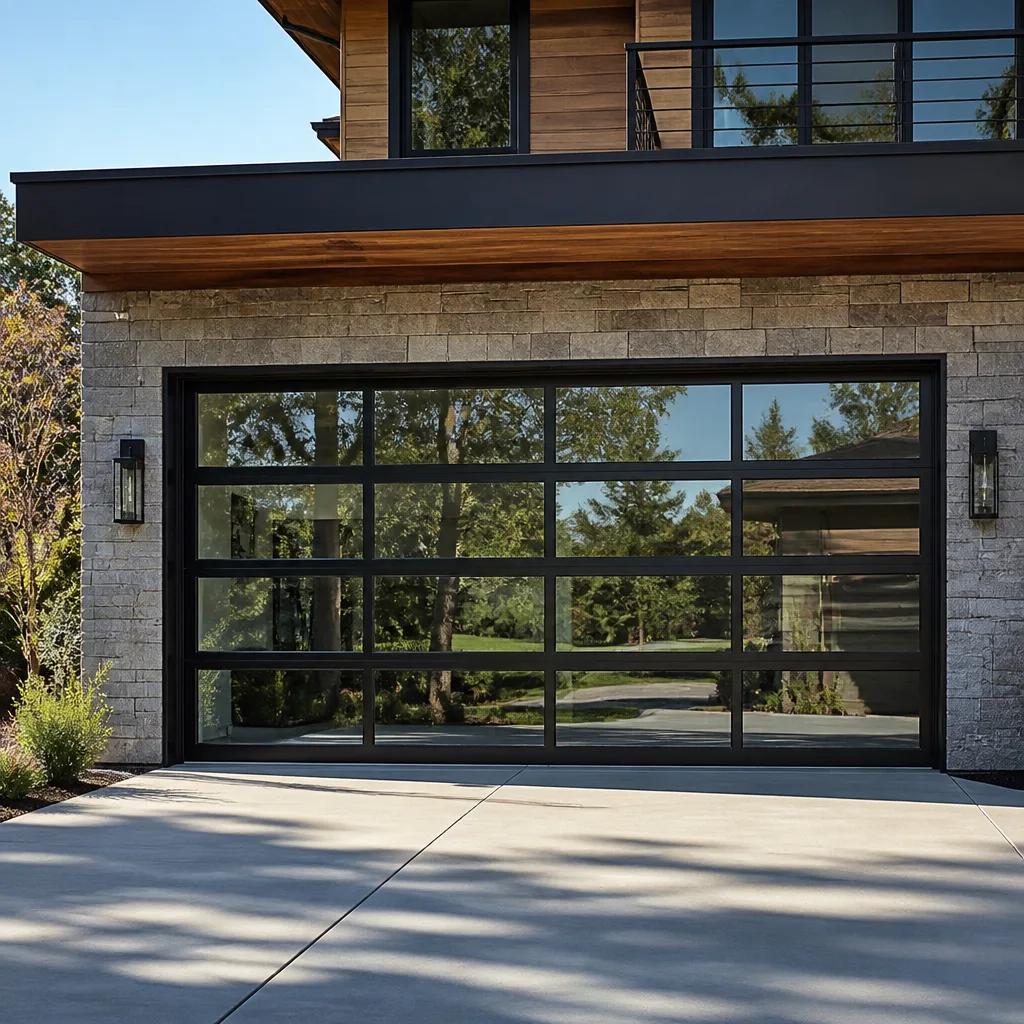 Full-view glass
 LiftMaster openers
 Chamberlain openers
Full 25-point door and opener safety check with every visit - springs, cables, rollers, tracks, and your LiftMaster or Chamberlain opener included
You get a price before we start. It does not change when the truck arrives.
Get your free estimateSeasonal Garage Door Care for Oklahoma City: Year-Round Homeowner’s Guide
Oklahoma City doesn’t get to ease into its seasons. One week you’re running the air conditioner through a 95°F afternoon, the next you’re scraping frost off the windshield. Most homeowners think of garage door maintenance as something that happens when something breaks. The reality is that an Oklahoma City garage door cycles through more temperature stress in a single year than doors in coastal cities see in five. This guide walks through what actually fails, when it fails, and what to check before each season turns the corner.
Styles & brands we work with
- Raised-panel steel
- Carriage house
- Modern flush
- Full-view glass
- LiftMaster openers
- Chamberlain openers
Quick Answer
Seasonal garage door care in Oklahoma City means checking the balance, rollers, springs, and seals four times a year, with specific attention to freeze-thaw damage in spring, circuit board heat stress in summer, bottom seal integrity before tornado season, and cold-weather lubrication before first freeze. Most problems are preventable with fifteen minutes of inspection per season, and a professional tune-up is worth scheduling at least once a year.
Table of Contents
- Spring: Recovering from Freeze-Thaw and Prepping for Storm Season
- Summer: Heat, Circuit Boards, and What Happens Above 95°F
- Fall: The Pre-Freeze Checklist Oklahoma City Actually Needs
- Winter: Managing Cold-Weather Symptoms Without Making Them Worse
- The Overlooked Task: Bottom Seal Checks Before Tornado Season
- Monthly DIY Checks That Take Less Than Ten Minutes
- Common Mistakes to Avoid
- When to Call a Professional
- Frequently Asked Questions
- The Bottom Line
Spring: Recovering from Freeze-Thaw and Prepping for Storm Season
In Oklahoma City, spring is when winter damage becomes visible. The freeze-thaw cycle does subtle work over January and February: moisture gets into tiny gaps in the track, freezes, expands, and slowly misaligns hardware. By March and April, you’ll hear the results – a door that grinds, shudders, or sticks mid-travel. Spring inspection should start with the track system. Look for rust spots where the galvanized coating has worn through, then run the door by hand with the opener disengaged. A door that binds or feels heavier on one side is telling you something shifted over the winter.
Storm season is a separate concern entirely. From mid-March through June, Oklahoma City gets real wind – and wind means airborne debris. The bottom seal is your first line of defense against water and grit blowing under the door. It also keeps small animals from finding their way into a garage that feels like shelter. Check it before severe weather season peaks, not after the first storm has already blown an inch of red dirt onto the floor.
Spring Inspection Checklist
- Run the door by hand. Pull the release handle and lift the door halfway. If it stays put, the springs are balanced. If it drops or climbs, the tension has shifted and needs adjustment.
- Inspect the track alignment. Look down the vertical and horizontal tracks. A door that has shifted over the winter will show as a gap between the roller and the track on one side.
- Check the bottom seal. Pinch it. Squeeze it. If it’s cracked, flattened, or brittle, replace it before spring storms arrive.
- Tighten visible hardware. Garage doors cycle thousands of times a year, and vibration loosens bolts. You don’t need a socket set deep dive – a visual check for visibly loose or missing bolts is enough.
- Wipe down the weatherstripping. Dried mud and debris from winter accelerate seal failure. Warm water and a rag work fine.
If the spring check reveals tired rollers or a door that no longer balances, that’s a repair window worth opening. A garage door repair visit in March or April beats an emergency call in July, when heat has pushed the same worn component past its limit. We service every door brand a typical Oklahoma City neighborhood is likely to have, which means the technician who shows up already knows how a Clopay panel door should feel versus a Wayne Dalton. Garage doors are all we do, so diagnosing the balance problem by hand is something our team does on every single call, not something we fit in between other trades.
Summer: Heat, Circuit Boards, and What Happens Above 95°F
Oklahoma City averages 60 days a year above 90°F, and a meaningful stretch of those push past 95°F. Heat does three things to a garage door system. First, it stresses the springs. Torsion springs work by twisting metal under tension, and high heat changes how that metal flexes. A spring that’s already lost tension will fail sooner when ambient temperatures are extreme. Second, heat causes rubber and vinyl seals to soften, deform, and eventually crack if they’re aging. Third, and most overlooked, the garage itself acts like an oven. Even on a 100°F day, the air inside an attached garage with a closed door can climb noticeably higher.
That interior heat is the real threat to opener circuit boards. LiftMaster, Chamberlain, Genie, and Craftsman openers all use electronic control boards that are rated for residential environments. But electronics age faster when they cycle through high heat daily. A board that’s already weak from heat exposure becomes the intermittent failure that makes a door refuse to open on the hottest day of the year. If your opener is over a decade old and your garage gets afternoon sun, summer is the season to pay attention to any hesitation, buzzing, or delay in response.
Before the Heat Peaks, Do These
- Check the seal at the top of the door, not just the bottom. The top seal blocks hot air from entering and protects the opener from the worst of the interior heat soak.
- Lubricate the rollers and hinges with a garage-door-specific lubricant. Not WD-40. A proper silicone or lithium spray. Do it in the morning before the garage heats up.
- Listen to the opener. A door that starts with a grunt or hesitation on a hot afternoon is flagging a motor or board that’s working harder than it should.
- Shade the opener if possible. An insulated garage door does double duty in Oklahoma City: it keeps the freezer-adjacent winter cold out and reduces summer heat transfer inside.
Summer is also when a garage door opener repair becomes most common. Heat-related board failures and motor strain show up as doors that won’t respond, remotes that work only from close range, or openers that run for a second and then stop. If your LiftMaster or Chamberlain has MyQ connected features, heat can also cause the Wi-Fi module to drop offline. The fix is usually straightforward, and the technician doesn’t need to rip your ceiling apart to diagnose it. Diagnosed correctly the first time is the entire point of having a garage-door specialist, not a generalist, look at it.
Fall: The Pre-Freeze Checklist Oklahoma City Actually Needs
Oklahoma City typically sees its first freeze somewhere between late October and mid-November, depending on the year. That’s your planning anchor. Everything on the fall checklist should be done before the overnight lows start dipping to 32°F. The reason is simple: cold makes everything more brittle, including the hardware you’re trying to inspect. A bracket that’s mildly stressed at 70°F becomes a failure risk at 20°F. Fall is the time to find and fix these things, not winter.
The fall checklist is about prevention, not reaction. It’s also the one season where skipping a step has a visible consequence within 90 days. If you ignore a worn roller in October, you’ll hear it grinding by January. If you ignore a sagging seal in October, you’ll feel the cold air by December. Oklahoma City winters aren’t the coldest in the country, but they’re cold enough to move metal parts, shrink seals, and make any existing wear feel worse.
Pre-Freeze Checklist, in Order
- Test the auto-reverse function. Place a roll of paper towels on the floor under the door and close it. The door should reverse without crushing the roll. If it doesn’t, that’s a safety issue and a repair priority.
- Lubricate everything that moves. Rollers, hinges, the spring itself. Cold weather thickening of old lubricant is a real thing. Fresh lube in October works better than anything you apply in February.
- Inspect weatherstripping on all four sides. Top, bottom, and both jambs. Cold air finds gaps. A gap that’s harmless in October is a draft in January.
- Check the spring for gaps or rust. A torsion spring with visible rust or a gap in the coil is a replacement candidate. Don’t wait for the snap.
- Clear the tracks of leaves, dirt, and spider nests. Fall debris is the most common cause of a door that suddenly starts sticking in late November.
We’ve mentioned the freeze-thaw cycle already, but it bears repeating: water that gets into your tracks in November will freeze and expand in December. The same door that ran smooth in September can bind in February because moisture found a gap. If your door is already feeling rough by late fall, don’t wait. Bellmont Garage Door Repair offers free estimates in Oklahoma City, and the earlier we catch a problem, the simpler the fix. From snapped springs to smart openers, the brands we work on cover nearly every system an Oklahoma City homeowner is likely to own.
Winter: Managing Cold-Weather Symptoms Without Making Them Worse
Winter in Oklahoma City is a series of cold snaps, not a continuous deep freeze. Lows in the teens and twenties are normal, and the occasional single-digit night happens. A garage door that worked in November may start acting faintly strange in December: slower travel, a whine from the opener, or a thunk when it starts. These aren’t random. Cold metal contracts, cold grease thickens, and cold seals stiffen. A door that’s already marginal gets louder and slower in the cold.
Here’s what to do when you notice cold-weather symptoms. First, don’t force the door. Don’t hold the button down. Don’t disengage the opener and slam the door down by hand. Forcing a door through a bind point makes the underlying problem worse, and on an older door it can bend the track. Second, do a quick visual: is there ice on the track? Debris? A visible gap at the seal? Those are things you can clear safely. Third, if the door is binding or making a sharp metal-on-metal sound, leave it alone and call a professional. The springs are under tension, and a cold spring that’s near the end of its life is unpredictable.
What You Can Safely Do in Cold Weather
- Warm the garage area before running the door. If the garage is attached and you can safely raise the interior temperature a few degrees, the metal and seals will respond better.
- Clear visible snow or ice from the track and bottom seal. A broom or plastic scraper works. Do not use a metal tool on the seal.
- Listen without fixing anything. A change in sound is diagnostic information. Tell the technician what changed and when, and you’ve already done half the diagnosis.
If the door won’t move at all, or it’s moving but the opener is struggling, that’s a time to call and book service. We answer 24/7. Fast dispatch from 7am to 7pm, Sunday through Friday. The technician who arrives will know how your specific opener should behave in cold weather because we work on the brand you already own, whether that’s LiftMaster, Chamberlain, Genie, or Craftsman. Cold-weather issues rarely fix themselves, and almost never get better with repeated attempts.
The Overlooked Task: Bottom Seal Checks Before Tornado Season
If there’s one task Oklahoma City homeowners skip more than any other, it’s inspecting the bottom seal before tornado season really gets going. March through May is when wind-driven debris is at its worst, and the bottom seal is the only barrier between your garage floor and whatever the wind is pushing. A compromised bottom seal lets water blow under the door during heavy rain, which is already less fun on a slab that isn’t sloped perfectly. It also lets dirt, leaves, and pests in, and makes the garage harder to keep comfortable.
This is a five-minute check: close the door, look at the bottom from inside with the door closed, and run your hand along the seal from end to end. Cracks, gaps, flattening, brittleness, or a seal that’s peeled away from the bottom retainer means it’s time to replace it. In Oklahoma City, the bottom seal wears faster than homeowners expect because the temperature swings alone age the rubber much faster than a mild climate would. Seals in the southern half of the country can go many years; seals in Oklahoma City often need replacement on a shorter cycle. If yours is cracked or flattened, don’t wait for the storm that proves it.
Monthly DIY Checks That Take Less Than Ten Minutes
Seasonal care matters, but there’s a maintenance layer in between that keeps the big inspections shorter. These are checks you can do once a month, in about the time it takes to make coffee. They won’t replace a professional inspection, but they’ll catch small things before they become obvious failures.
- Run the door and watch it travel. A healthy door moves at a consistent speed from bottom to top. A hesitation, lurch, or asymmetry is the first sign of trouble.
- Listen for changes. Squeaks, grinding, or thuds that weren’t there before are diagnostic clues. Note them.
- Look at the cables. On a standard sectional door, the lifting cables are visible on both sides. Fraying near the ends means replacement time.
- Check the reversal function. Once a month is a reasonable frequency for a safety system that protects your family and your car.
- Scan for rust. Oklahoma City humidity is not coastal, but it’s enough. Rust on tracks, springs, or hardware should be addressed before it spreads.
These monthly checks are exactly the kind of thing a homeowner should be able to do without calling a pro. They’re also exactly the kind of thing most people skip because the door still opens. That’s the thing about garage doors: they keep working right up until they don’t. The monthly check is cheap insurance against that surprise.
Common Mistakes to Avoid
- Skipping the bottom seal until it’s visibly gone. By the time a bottom seal is visibly destroyed, water and debris have already been getting in for weeks. In Oklahoma City, pre-storm season is the worst possible time to discover this.
- Lubricating with the wrong product. WD-40 is a solvent and a water displacer, not a garage door lubricant. It strips protective coatings and leaves parts dry. Use a proper garage-door lubricant.
- Forcing a door through a bind. If the door sticks, do not keep hitting the opener button or pull harder on the manual release. The bind point is telling you something, and forcing it through makes the damage worse.
- Ignoring a noisy door because it still opens. Noise is a symptom. Every noisy door gets quieter after the repair that fixes what caused the noise. The door that still opens fine is exactly the door that fails during a heat wave or a cold snap.
- Working on springs without experience. Torsion springs are under extreme tension. This is not a DIY job. There is a reason every garage door professional tells you to leave spring work to someone trained for it.
- Doing a fall inspection in January. The whole point of the fall checklist is to do it before the freeze. A January inspection finds problems, but the cold makes every repair harder and every part more brittle.
When to Call a Professional
Some things are obvious: a snapped spring, a door off its track, or an opener that’s completely dead. Some things are less obvious but still warrant a call: a door that hums without moving, a cable that’s frayed, a door that slams shut or doesn’t stay in place, or any safety reverse function that stops working. If a door has been hit by a car or has any visible damage to panels or hardware, that’s a professional assessment too.
In our experience, homeowners in Oklahoma City tend to under-call on opener symptoms. A remote that works intermittently, a door that opens halfway and stops, or a motor that sounds labored are all signs that a repair is needed before the component fails entirely. Bellmont Garage Door Repair offers free estimates in Oklahoma City – call (833) 842-7854. We work on the brand you already own, whether it’s a Clopay door system or a LiftMaster opener with MyQ connected features. Diagnosed correctly the first time is the entire reason to call a garage-door specialist.
Frequently Asked Questions
Once a year is a good baseline for a professional inspection and tune-up in Oklahoma City, with additional checks after severe weather events. The seasonal swings in temperature mean parts wear faster here than in milder climates, so an annual professional visit catches wear before it becomes a failure. Call (833) 842-7854 to schedule one – estimates are free.
Cold weather causes metal to contract, grease to thicken, and seals to stiffen, which makes the door heavier for the opener to move and can trigger the opener’s force settings to act up. A door that’s marginal in warm weather will show cold-weather symptoms first. If your opener labors or stops in the cold, it’s often a sign that balance or lubrication needs attention, not necessarily that the opener itself has failed.
Yes, a light lubrication of rollers, hinges, and the spring two to four times a year is appropriate in Oklahoma City, with extra attention before first freeze and before the summer heat peaks. Use a garage-door-specific silicone or lithium lubricant, not WD-40. Cold weather thickens old lubricant and new lubricant works better in the heat.
The bottom seal wears faster than most other components because the freeze-thaw cycle and summer heat exposure age the rubber dramatically. It’s also the part most homeowners neglect. Check it monthly and replace it at the first sign of cracking, flattening, or brittleness, especially before tornado season when wind-driven water and debris are at their worst.
No. Torsion springs are under extreme tension and can cause serious injury or death if released improperly. This is a job for a trained professional, full stop. If your spring is broken or shows visible rust or gaps, call a specialist. We answer 24/7 at (833) 842-7854.
With proper care, a quality opener from a brand like LiftMaster, Chamberlain, Genie, or Craftsman can last 10 to 15 years in Oklahoma City, though extreme heat exposure shortens the life of circuit boards. If your opener is over a decade old and showing intermittent symptoms, especially in summer, it’s worth having it assessed before it fails completely. Fast dispatch from 7am to 7pm, Sunday through Friday.
The Bottom Line
Seasonal garage door care in Oklahoma City is about staying ahead of a climate that swings hard in both directions. Spring is for recovering from freeze-thaw and prepping for storm debris. Summer is about heat management for the opener and springs. Fall is the pre-freeze window that makes winter easier, and winter is about knowing when to stop forcing a door and call someone who knows what they’re looking at. A monthly ten-minute check catches most problems in their early stages, and an annual professional inspection catches the rest. The goal is simple: a door that works every time, quietly, in every season. That’s what garage-door-specific care makes possible.
Written by the team at Bellmont Garage Door Repair, serving Oklahoma City since 2014.
See the difference
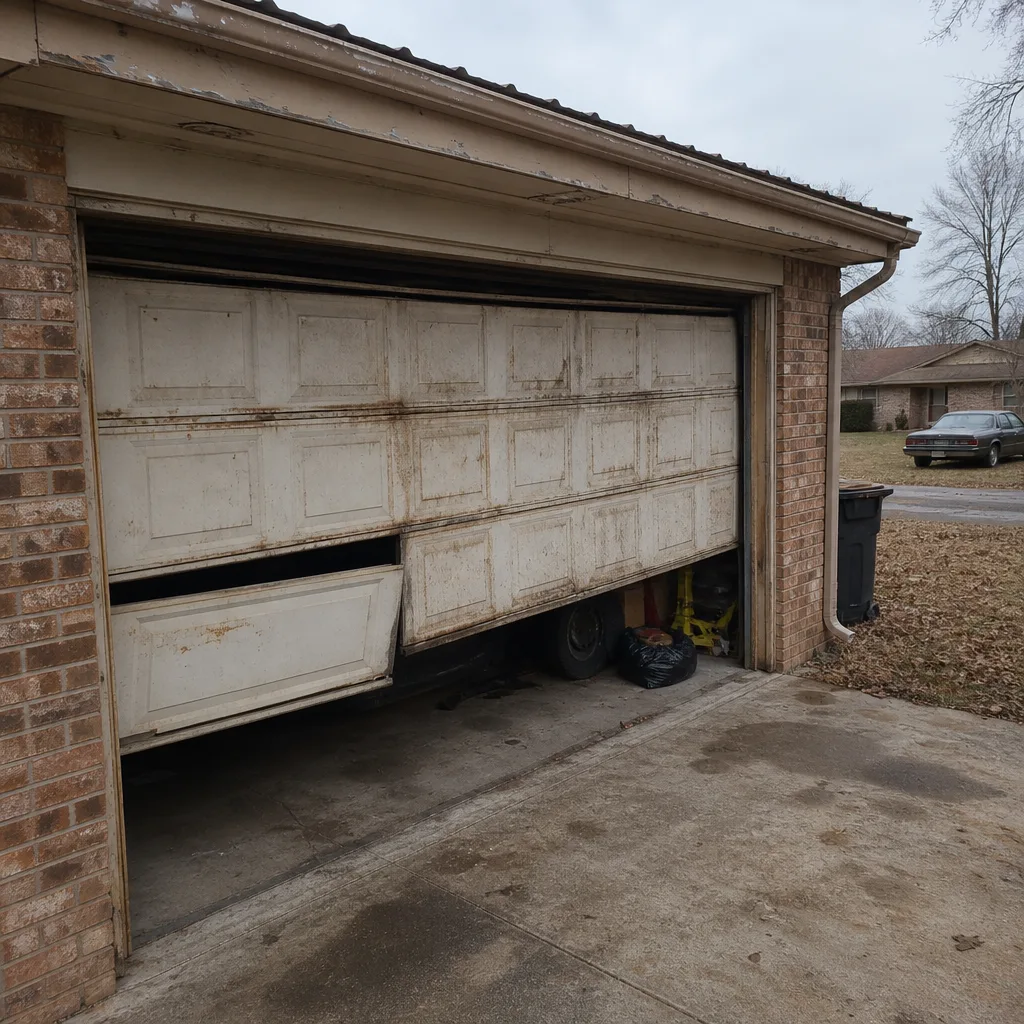 Before
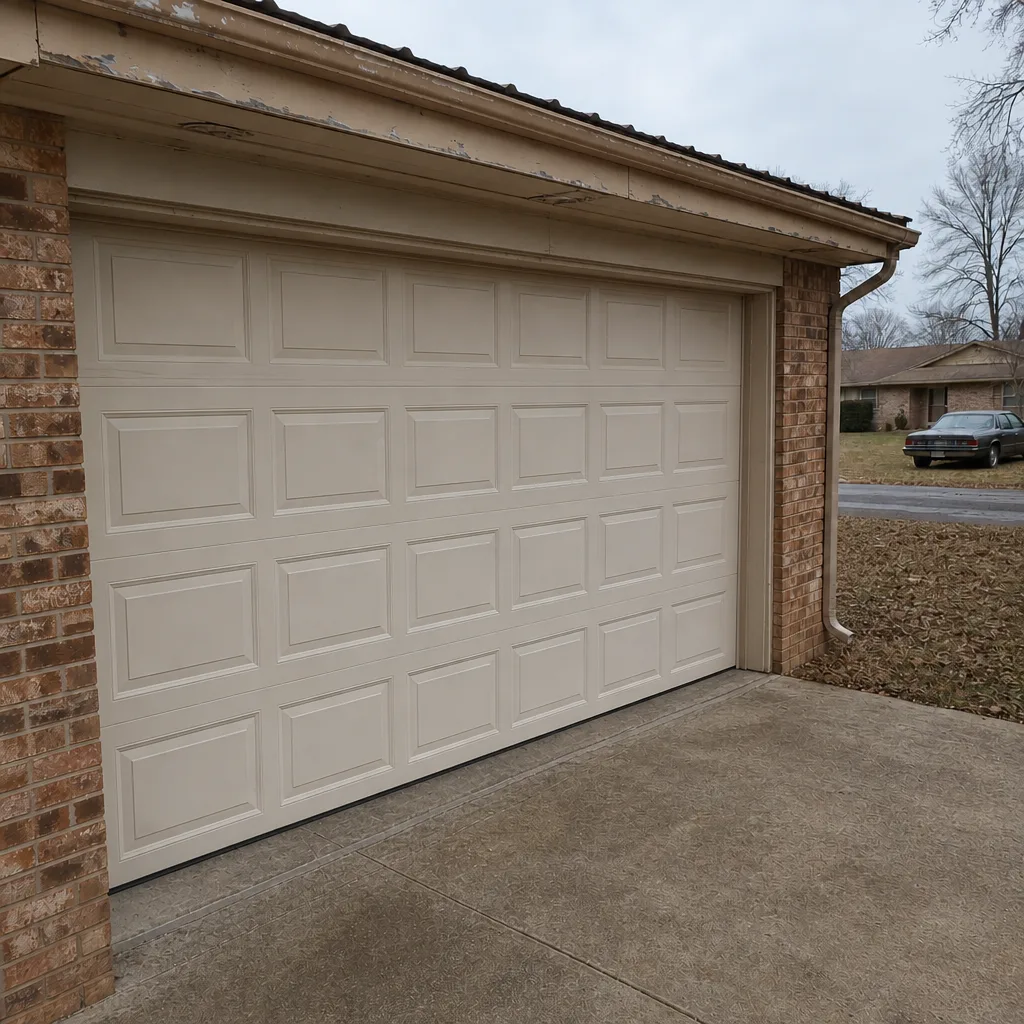 After
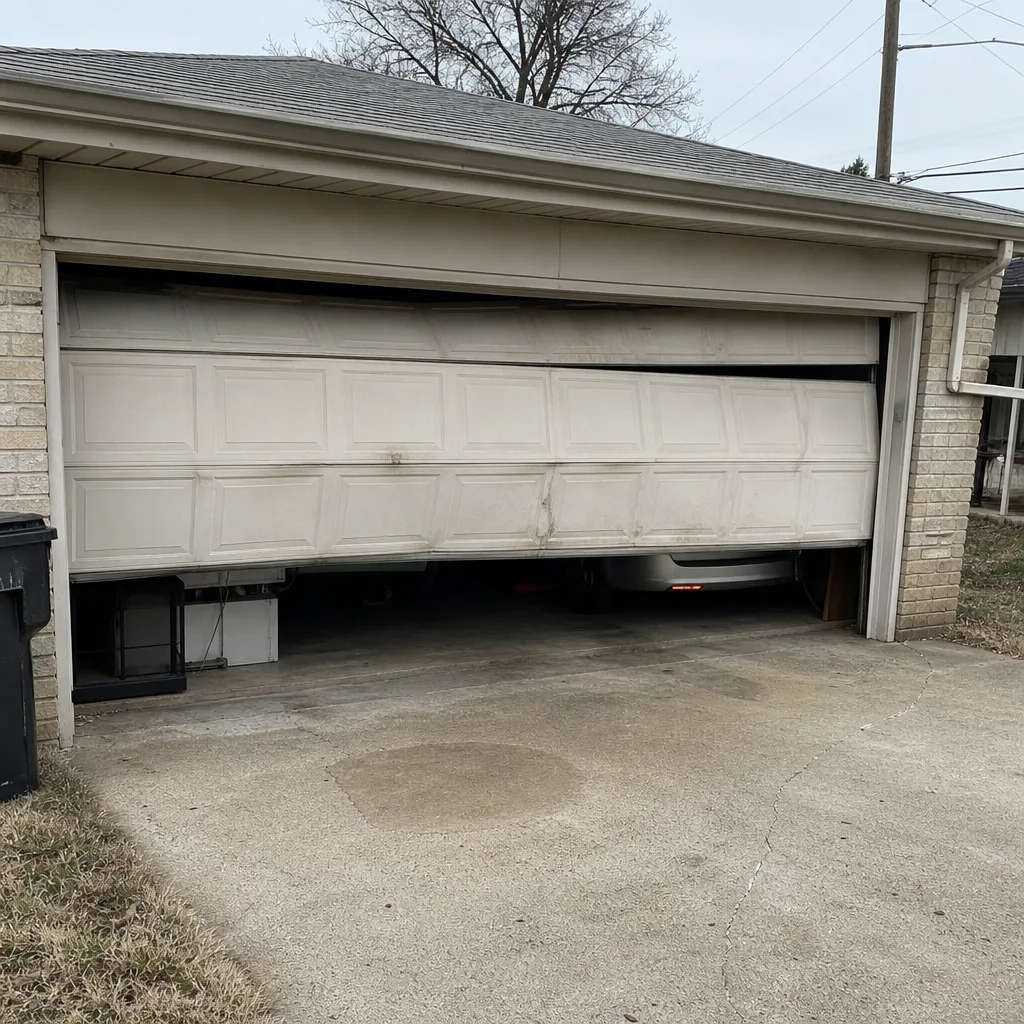 Before
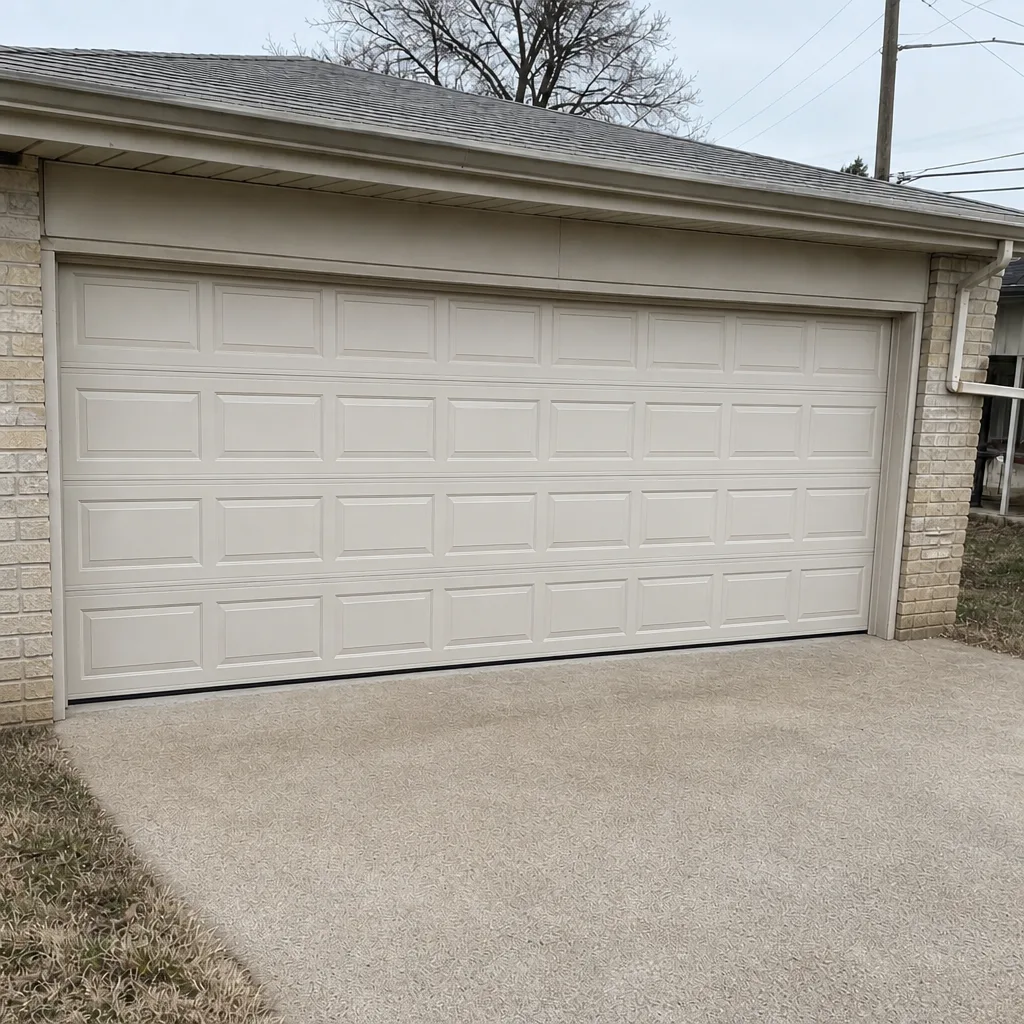 After
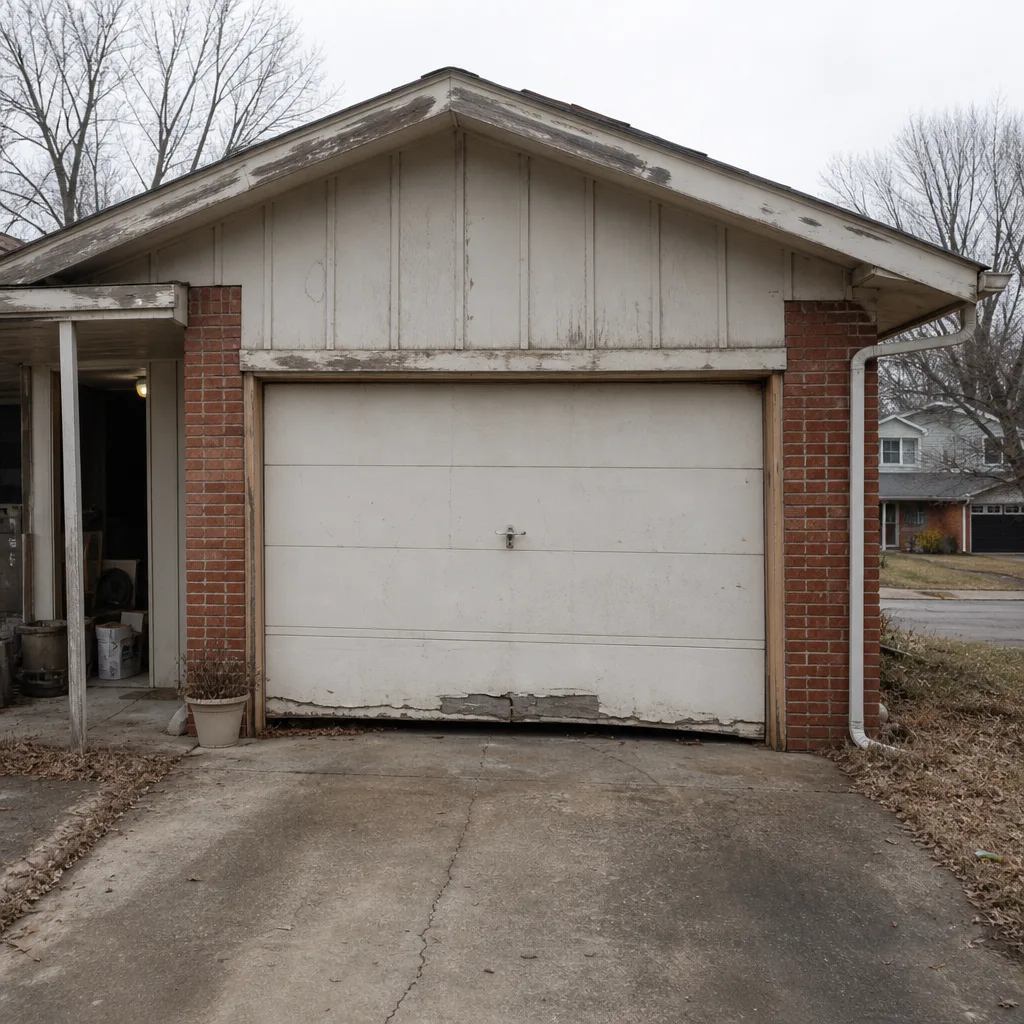 Before
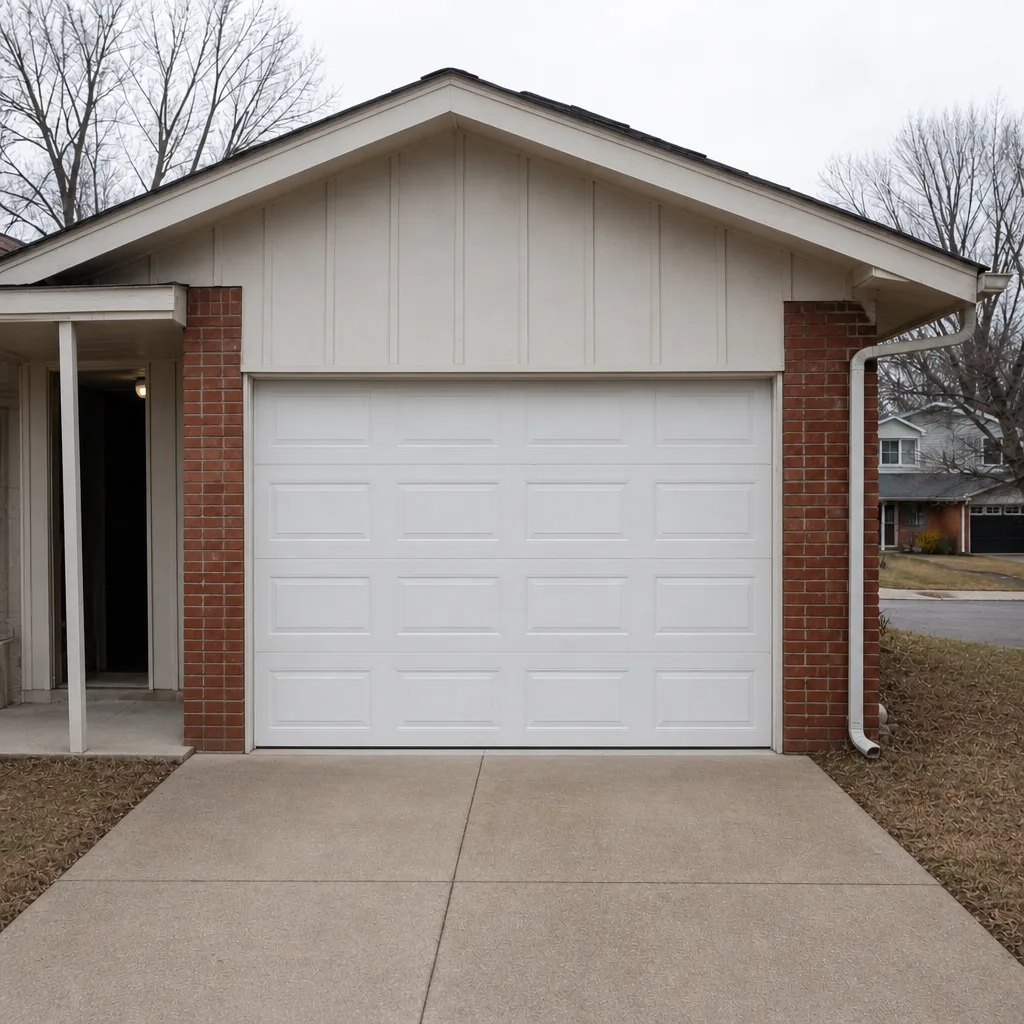 After