
Last updated November 14, 2026
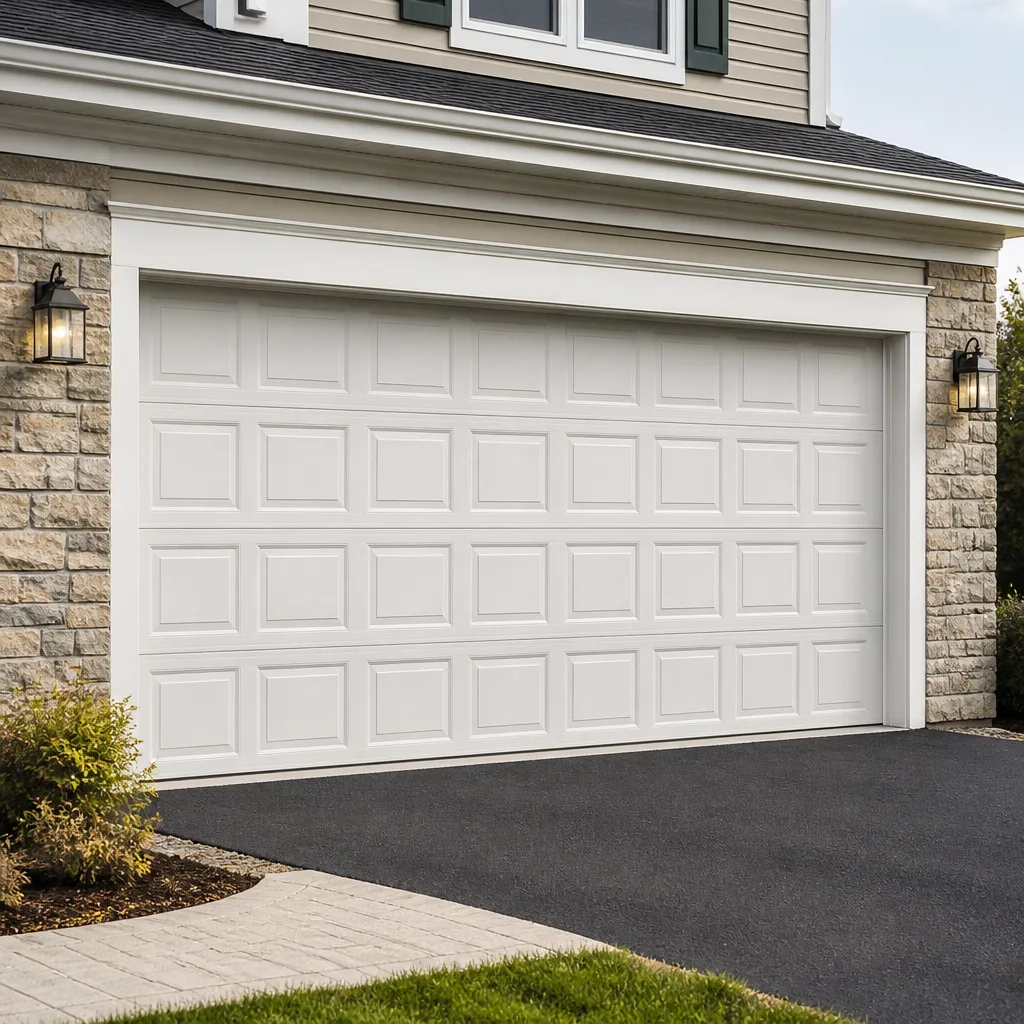 Raised-panel steel
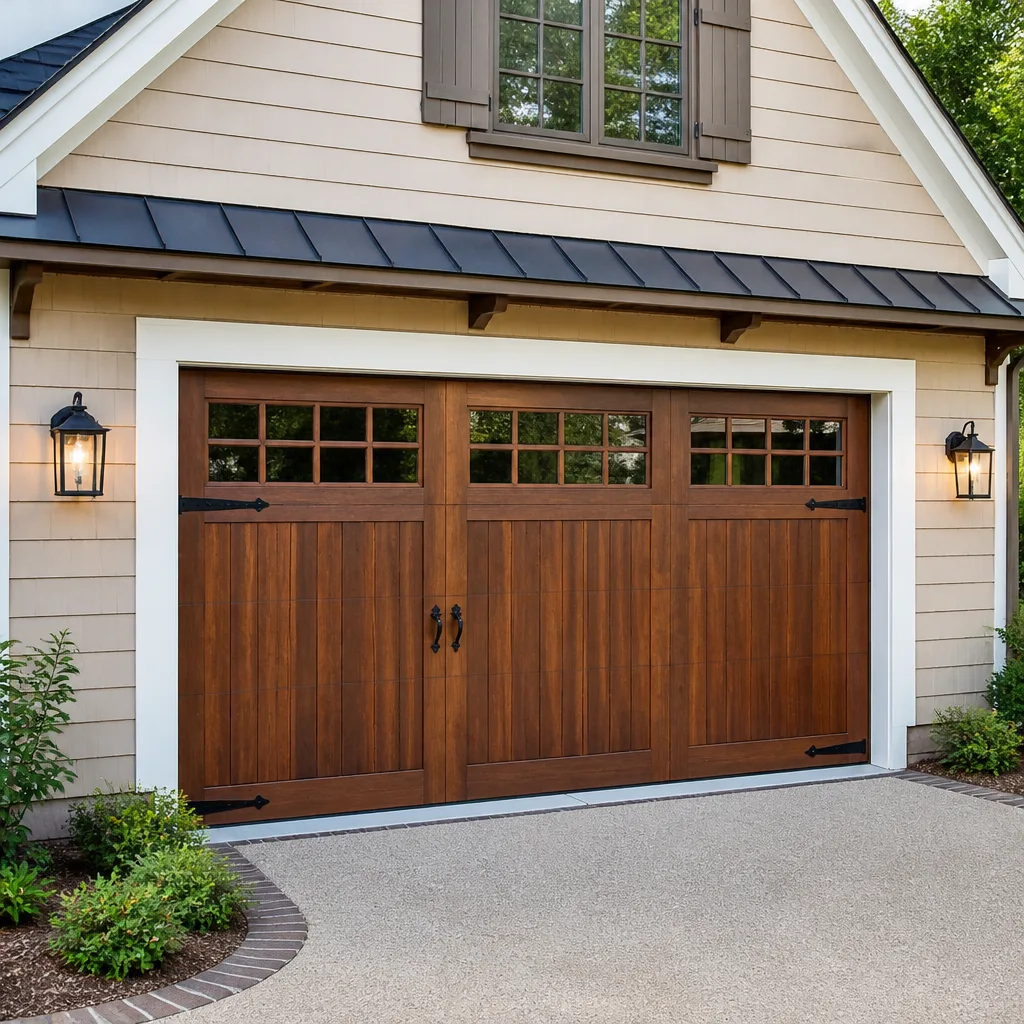 Carriage house
 Modern flush
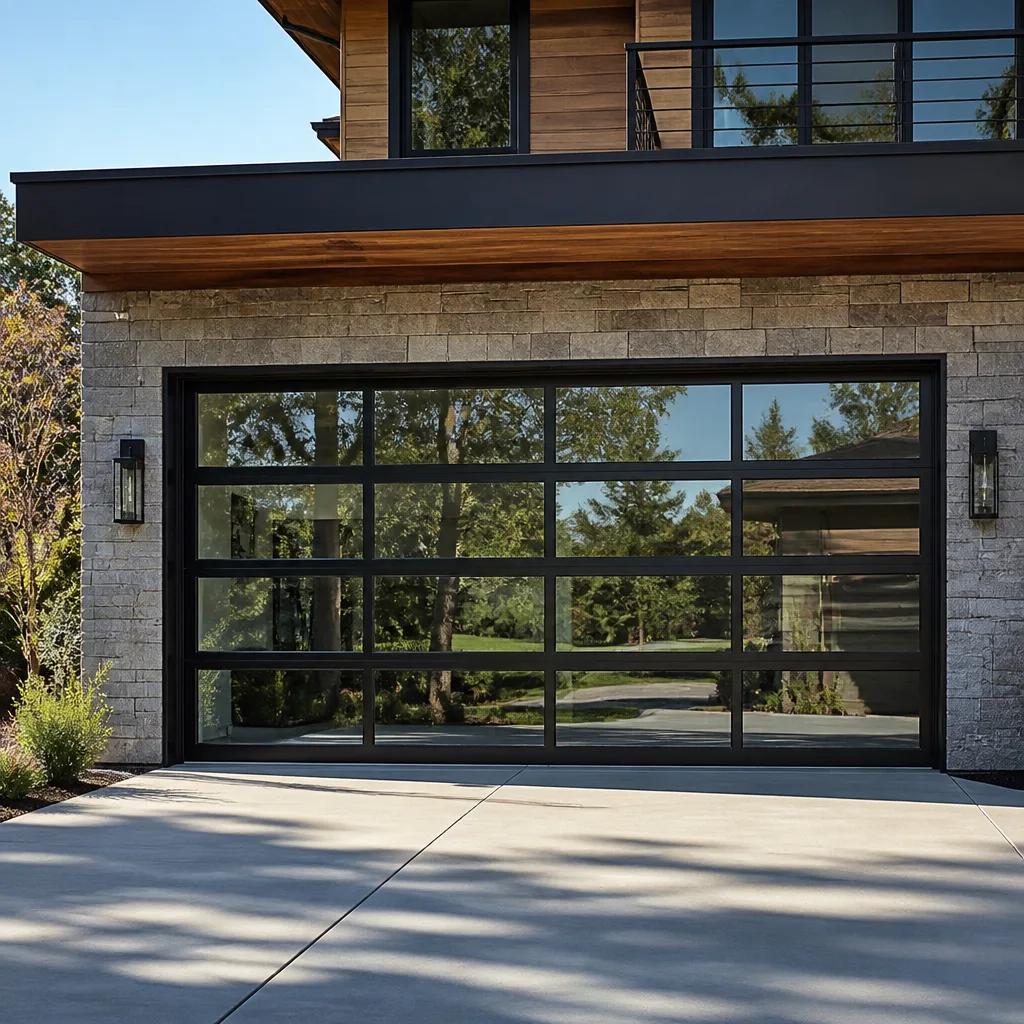 Full-view glass
 LiftMaster openers
 Chamberlain openers
Full 25-point door and opener safety check with every visit - springs, cables, rollers, tracks, and your LiftMaster or Chamberlain opener included
You get a price before we start. It does not change when the truck arrives.
Get your free estimateGarage Door Repair Maintenance Schedule: What to Do and When
The single most common reason Oklahoma City garage doors fail in January isn’t cold weather. It’s the deferred maintenance that should have happened in October. Metal contracts in freezing temperatures, lubricant thickens, and the weatherstripping that was quietly cracking all summer finally gives out on the coldest morning of the year. This guide gives you a season-specific maintenance schedule built around the conditions that actually cause wear in Oklahoma City: hard freezes, violent spring storms, and long stretches of summer heat that cook grease and stress springs. You’ll learn exactly what to do, when to do it, and which tasks take only minutes.
Styles & brands we work with
- Raised-panel steel
- Carriage house
- Modern flush
- Full-view glass
- LiftMaster openers
- Chamberlain openers
Quick Answer
Garage door maintenance in Oklahoma City works best on a four-point seasonal schedule: check spring tension and balance in May, inspect for storm damage from June through August, lubricate moving parts and audit weatherstripping in October, and inspect cables for freeze damage in February. Most tasks take under 20 minutes and require nothing more than a visual check, a rag, and the right lubricant. The critical rule: never touch or adjust torsion springs yourself, and never use WD-40 on any moving garage door part.
Table of Contents
- Why Oklahoma City Needs a Seasonal Schedule, Not a Monthly One
- May: Pre-Summer Tension Check
- June Through August: Post-Storm Inspection
- October: Pre-Freeze Lubrication and Weatherstripping Audit
- February: Post-Freeze Cable Inspection
- The 20-Minute Quarterly Inspection Checklist
- Exact Lubricants for Each Component
- How to Measure Spring Wear Visually Without Touching the Spring
- Which Skipped Tasks Can Void Your Opener Warranty
- Common Mistakes to Avoid
- When to Call a Professional
- Frequently Asked Questions
- The Bottom Line
Why Oklahoma City Needs a Seasonal Schedule, Not a Monthly One
A garage door doesn’t need monthly attention. It needs the right attention at four specific moments in the Oklahoma calendar year. The mistake most homeowners make is spreading generic advice across twelve months: “lubricate every six weeks, inspect rollers every thirty days.” That creates two problems. First, people stop doing it because the schedule feels like a chore. Second, the timing ignores what actually causes wear in this climate.
Oklahoma City sees temperature swings that punish garage door components. The hardware expands in summer heat that routinely pushes into the high nineties, then contracts during winter cold snaps that drop into the teens. That repeated expansion and contraction loosens fasteners, cracks weatherstripping, and stresses the metal coils in springs. Spring storms bring wind gusts that flex door panels and water that finds its way into tracks and hinges. The maintenance schedule below is built around those four pressure points, not around an arbitrary calendar.
At Bellmont Garage Door Repair, we see the same pattern every year: doors that were marginally fine in September fail on the first hard freeze in January. The fix is usually simple and inexpensive if caught in October. It’s a garage door repair call that could have been a twenty-minute check.
May: Pre-Summer Tension Check
May is the month to prepare for the season that puts the most stress on your springs. Summer heat doesn’t just make metal expand; it also means the door gets opened and closed more often as kids come and go and you move projects in and out of the garage. More cycles on a spring that’s already wearing out accelerates failure.
Here’s the step-by-step check to run in May:
- Run a balance test. Pull the manual release cord while the door is closed, then lift the door by hand. It should rise smoothly and stay at chest height without drifting. If it wants to fall or takes real effort to lift, the springs are losing tension.
- Count the cycles. Stand inside the garage and open and close the door fully. Listen for grinding, metal-on-metal squealing, or uneven movement. A door that shudders on the way up is telling you something about spring fatigue.
- Inspect the spring gap visually. Look at the torsion spring above the closed door. You’re checking for the visible signs of wear described in the gap-count section below. Do not touch the spring or any cable under tension.
- Check cable alignment. Look at the cables on both sides of the door. They should sit flat in the grooves of the drums with no slack and no fraying.
- Watch the door through a full cycle. Stand to the side, not directly in the door’s path. The door should move evenly, both sides reaching the top at the same time.
If any of these checks turns up something off, the May inspection is the time to fix it, not August when the door gets heavy daily use. A spring that shows early wear in May often gets through the entire summer but fails in October or November when the metal contracts again. Catching it early means a scheduled repair instead of an urgent one.
June Through August: Post-Storm Inspection
Oklahoma City storm season runs from spring into summer, and high winds are hardest on garage doors. The broad flat face of a door acts like a sail. Wind loads flex the panels, loosen track bolts, and can knock rollers out of alignment. You should do a quick visual inspection after any storm with gusts over roughly fifty miles per hour, and a more thorough check once a month during this window.
What to look for after a storm:
- Track gaps. The vertical tracks on either side should hold the rollers snugly. If you can see daylight between a roller and the track, the track may be bent or pulled away from the wall.
- New dents or creases in the panels. Minor dents are cosmetic. Creases that run across a panel weaken the door and can cause it to bind on the way up.
- Loose hardware. Grab each track bolt you can reach and try to turn it by hand. After years of wind loading, even bolts that were torqued at installation can back out.
- Debris in the tracks. Oklahoma wind carries gravel, twigs, and occasionally worse. A small stone lodged in the track can scratch a roller or bend a hinge over time.
- Water staining inside the garage. Check the top of the door and the side jambs after heavy rain. Water that gets past damaged weatherstripping runs down inside the tracks and accelerates rust.
Most post-storm issues are minor when caught early. A loose bolt takes thirty seconds to tighten. A bent track is a bigger problem and usually needs a technician to straighten or replace it before the door gets stuck partway open.
October: Pre-Freeze Lubrication and Weatherstripping Audit
This is the most important maintenance window of the year in Oklahoma City. What you do in October determines whether your door works normally in January. The two tasks are lubrication and a weatherstripping audit, and both are simple enough to finish in under an hour.
Start with lubrication. The moving metal parts of your door need a thin film of the right lubricant before cold weather thickens whatever is already there. The specific products are covered in the lubricant section below. For now, the October cadence is what matters:
- Wipe down the tracks first. Use a dry rag to remove old grease, dust, and grit. Do not put lubricant inside the tracks. The rollers need it, the tracks do not.
- Lubricate the rollers. A drop or two of a silicone or lithium-based spray on each roller bearing. The idea is to get lubricant into the bearing, not to soak the roller.
- Lubricate the hinges. Every hinge along the door has pivot points where metal moves against metal. A quick spray on each removes the squeak you hear every time the door moves.
- Lubricate the spring. A light coat on the torsion spring coils reduces friction as the spring winds and unwinds. This is the one spot where a spray with a straw attachment helps you reach the whole length without putting your hands near the spring.
- Wipe off excess. A rag pass over everything you sprayed keeps dust from sticking and building up gunk.
Then the weatherstripping audit. Run your hand along the bottom seal while the door is closed. It should be soft and pliable, not cracked or flattened. Same check for the side and top seals. Any piece of weatherstripping that’s brittle in October will be useless in January, letting cold air into the garage and water onto the door’s lower panel when ice melts.
At garage door opener repair calls we handle in winter, the opener itself is often fine. The real problem is a door so stiff from cold and poor lubrication that the opener strains and trips its force limit. The October routine prevents most of those calls.
February: Post-Freeze Cable Inspection
By February, your door has gone through whatever cold snaps Oklahoma City threw at it. The cables that work with your springs are the component most vulnerable to freeze damage, because they’re under constant tension and any moisture that got onto them in late fall can freeze and expand between the cable strands.
The February inspection is mostly visual and takes about ten minutes:
- Look at the full length of both cables. Run your eyes from the drum at the top of the track down to the bottom bracket. You’re looking for rust, especially on the bottom few feet near the weatherstripping where moisture collects.
- Check for fraying. Individual wire strands that have broken away from the main cable look like a bent coat hanger or a stray thread. This is the earliest warning sign of cable failure.
- Inspect the bottom brackets. The cable attaches to the door at bottom brackets on each side. Rust or distortion there is a sign that the cable has been pulling unevenly.
- Watch the cables during a full cycle. Open and close the door once and confirm both cables wind and unwind evenly with no slack on either side.
Never touch the cables. They’re under enough tension to cause serious injury if the cable snaps while you’re handling it. The February inspection is eyes-only. If you see fraying or rust, call a technician rather than trying to remove or replace the cable yourself.
The 20-Minute Quarterly Inspection Checklist
You can combine the seasonal checks above into a quarterly rhythm that’s realistic to maintain. Each quarter takes about twenty minutes, and most of it is watching and listening rather than touching. Here’s the checklist broken down by estimated time:
- Visual spring gap check: 2 minutes. Stand inside the garage and look at the torsion spring above the closed door. Count the gaps between coils as described in the next section.
- Balance test: 3 minutes. Pull the manual release and lift the door by hand. It should stay put at chest height.
- Full-cycle observation: 2 minutes. Run the door up and down once. Listen for grinding, squealing, or uneven movement from side to side.
- Track and hardware check: 5 minutes. Check both tracks for gaps, loose bolts you can reach, and any debris. Give accessible bolts a hand-turn test.
- Cable inspection: 3 minutes. Look at both cables top to bottom for rust, fraying, or slack.
- Weatherstripping check: 3 minutes. Run a hand along the bottom seal and side seals. Check for cracks, flat spots, or gaps where the seal meets the jamb.
- Lubrication touch-up: 2 minutes. If the last full lubrication was more than a few months ago and parts look dry, hit the rollers, hinges, and spring with a quick spray.
Total: about twenty minutes, four times a year. You don’t need a specialist for any of it, and it catches most problems early enough to be a scheduled fix rather than an emergency.
Exact Lubricants for Each Component
The most common garage door maintenance error we see in Oklahoma City homes is using the wrong product. Specifically, WD-40 on springs. We’ll get to why that’s a mistake in a moment. Here’s what belongs on each component:
- Rollers: silicone spray. A lightweight silicone lubricant penetrates the sealed bearing without leaving a sticky residue. Spray a small amount at the base of the roller where it meets the stem, and a quick shot at the bearing if you can see it.
- Hinges: white lithium grease or a lithium-based spray. Hinges have metal-on-metal pivot points that need a slightly heavier lubricant than rollers. The lithium grease stays in place through the repeated motion of opening and closing.
- Torsion spring: silicone spray, lightly applied. The spring coils rub against each other every time the door moves. A thin silicone film reduces that friction. Use a spray with a straw attachment and work from one end of the spring to the other without getting your hands close to it.
- Track: nothing. Garage door tracks should be dry. Lubricant in the tracks attracts dust and grit, which then builds up into a paste that makes rollers work harder. If your tracks are dirty, wipe them with a dry rag.
- Chain on a chain-drive opener: white lithium grease. Most modern chain-drive openers from brands like Genie use a chain that may need periodic light lubrication. Check your opener manual for the manufacturer’s specific recommendation.
WD-40 is the wrong product for every one of those jobs. The original formula is a water-displacing solvent, not a lubricant. It’s designed to free rusted parts and clean off gunk. It evaporates quickly and leaves behind a residue that actually attracts dust. A spring sprayed with WD-40 in October will be dry by December and coated in grit. If you want one product that works for most of the jobs above, a silicone spray with a straw attachment covers rollers, springs, and hinges adequately.
How to Measure Spring Wear Visually Without Touching the Spring
Torsion springs are the highest-tension components on your garage door, and they should never be touched by anyone who isn’t trained to work with them. But you can assess wear visually using what we call the gap-count method. This works on standard torsion springs mounted above the closed door.
Here’s what you’re looking at. A healthy torsion spring has coils that sit tight against each other when the door is closed. As the spring ages and loses its temper, the coils begin to separate. You’ll see daylight between coils that used to touch. The wider the gaps and the more of them you can count, the more the spring has stretched and weakened.
- Stand inside the garage with the door closed. Position yourself off to one side, not directly under the spring.
- Look at the spring as a whole, not just one spot. You want to compare the coil spacing at the ends against the middle. Even wear shows up as consistent gaps along the full length. Uneven wear shows as wider gaps in one section.
- Count the gaps you can see through. A healthy spring may show a few paper-thin separations. A spring with obvious, consistent gaps you can stick a fingernail through has already stretched. A spring with wide gaps visible from across the garage is at the end of its useful life.
- Compare the two springs if your door has a pair. Most double-car garage doors use two springs. If one shows significantly more gap than the other, it’s wearing faster. That’s a sign that replacement is coming soon, typically for both.
The gap-count method doesn’t give you a precise wear percentage, and it doesn’t replace a professional spring inspection. What it gives you is an early warning. A spring that shows widening gaps in May can be tracked quarterly. A spring with dramatic gaps in October should be replaced before January, because cold weather is when stretching springs snap.
Which Skipped Tasks Can Void Your Opener Warranty
The door itself and the opener are covered by separate warranties, and both often contain language about maintenance. The opener side is where Oklahoma City homeowners most often run into problems, because openers are mechanical devices with motors, gears, and circuit boards that manufacturers expect you to keep in working condition.
Here’s what to know for the opener brands common in Oklahoma City:
- Genie openers typically require that the door moves freely when the opener is disconnected. If you skip the balance test and the opener runs for months against a door that’s out of balance, the premature gear or motor wear may not be covered.
- LiftMaster and Chamberlain openers document an expectation of routine lubrication on the chain or belt drive system. A dry chain that stretches and skips teeth, then burns out the gear, is usually treated as a maintenance failure rather than a manufacturing defect.
- All opener warranties have an implied condition that the door itself is properly maintained. The safety reverse system that stops the door when something is in the way depends on a door that’s properly balanced and a track that’s clean. If you’ve never touched the track or checked the balance, and the opener fails because it was constantly working against resistance, the warranty claim gets complicated.
The practical rule: keep a simple log of your quarterly inspections. A note with the date and what you checked takes sixty seconds and gives you documentation if you ever need to make a warranty claim. We cover openers from Genie, LiftMaster, and Chamberlain, and the warranty-related failures we see are almost always tied to skipped balance tests and dry chains rather than genuine manufacturing defects.
Common Mistakes to Avoid
- Using WD-40 on springs and rollers. It’s a penetrating solvent, not a lubricant. It dries out fast and leaves a residue that attracts dust, making the problem worse. Use a silicone or lithium-based lubricant instead.
- Lubricating the tracks. The rollers need lubrication; the tracks need to stay dry. Greasy tracks collect Oklahoma dust and grit until the rollers are rolling through a paste that wears them out faster.
- Adjusting or touching torsion springs. Springs under tension store enough energy to cause serious injury. The visual checks in this guide are safe. Any adjustment or replacement is a job for a trained technician.
- Ignoring a door that’s slightly out of balance because it “still works.” An out-of-balance door overworks the opener on every single cycle. What starts as a spring issue becomes an opener motor issue six months later.
- Doing storm checks only in spring. Oklahoma City gets violent thunderstorms through late summer. A July storm can knock a track just as far out of alignment as an April one.
- Replacing one spring but not both on a double-spring door. The springs wear together. A new spring paired with an old one puts uneven load back on the door, and the old one fails soon after. Most manufacturers and good technicians recommend replacing both at the same time.
- Putting off October lubrication until it “feels cold enough.” By the time Oklahoma City hits its first freeze, the damage is usually done. Once cold weather has already thickened old grease and hardened cracked weatherstripping, the margin of error is gone.
When to Call a Professional
Some maintenance tasks are safe and easy for any homeowner. Others are not. The line is simple: anything involving springs, cables, or the tracks under tension is a professional job. If your spring gap check shows wide, inconsistent gaps; if you hear a loud bang from the garage and the door won’t open; if a cable is frayed; if the door is visibly crooked on its way up; or if your opener runs but the door barely moves, stop using the door and call someone who works on doors every day.
Bellmont Garage Door Repair offers free estimates in Oklahoma City. Call (833) 842-7854. We answer 24/7. Fast dispatch from 7am to 7pm, Sunday through Friday. We work on the brand you already own, from Clopay and Amarr doors to Genie openers, and we diagnose correctly the first time.
Frequently Asked Questions
Twice a year is enough for most Oklahoma City doors: once in October before the freeze and once in May before the summer heat. Between those seasonal lubrications, the quarterly inspection tells you if a touch-up is needed. More frequent lubrication isn’t harmful, but it’s usually unnecessary and tends to become a chore people stop doing.
You should not. Torsion springs are under enough tension to cause serious injury or death if they release unexpectedly, and the winding bars and techniques used to replace them safely are specialized. This is one of the few home maintenance tasks where even experienced general contractors call a garage door specialist. Call (833) 842-7854 and we’ll send a technician who does this every day.
The October lubrication and weatherstripping audit is the most important single task on this schedule. It addresses the two things that cause most winter failures: stiff, unlubricated moving parts and cracked seals that let moisture reach cables and lower panels. Missing the October window is the most common reason we get January repair calls in Oklahoma City.
Use the visual gap-count method described above: healthy springs have coils that sit tight together, while worn springs show widening gaps between coils. Other signs include a door that’s hard to lift manually, an opener that sounds strained, or a loud bang followed by a door that won’t move. Any of those means the springs are done and replacement is a professional job.
The tasks are the same, but the weight matters. Insulated doors, especially heavier models from brands like Amarr and Wayne Dalton, put more load on springs and cables than lightweight non-insulated doors. The May balance check is more important on heavier doors because spring fatigue shows up faster when the door weighs more. The rest of the schedule applies equally to both.
It can, particularly on the opener side. Manufacturers including Genie, LiftMaster, and Chamberlain expect the door to be balanced and the drive system to be lubricated. Failures caused by running against resistance or by a dry chain are typically treated as maintenance issues rather than defects. Keep a simple log of your quarterly checks so you have documentation if you need to file a claim.
The Bottom Line
A garage door maintenance schedule doesn’t need to be complicated. It needs to be timed correctly. In Oklahoma City, the four windows that matter are May for tension, summer for storm damage, October for lubrication and sealing, and February for freeze damage. Twenty minutes per quarter, four times a year, catches the vast majority of what goes wrong before it becomes a February emergency when the door won’t open on a cold morning. For anything beyond visual checks and lubrication, a specialist garage door repair call is cheaper and safer than the alternatives. Call (833) 842-7854 for a free estimate. We answer 24/7. Fast dispatch from 7am to 7pm, Sunday through Friday.
Written by the team at Bellmont Garage Door Repair, serving Oklahoma City since 2014.
See the difference
 Before
 After
 Before
 After
 Before
 After