
Last updated November 14, 2026
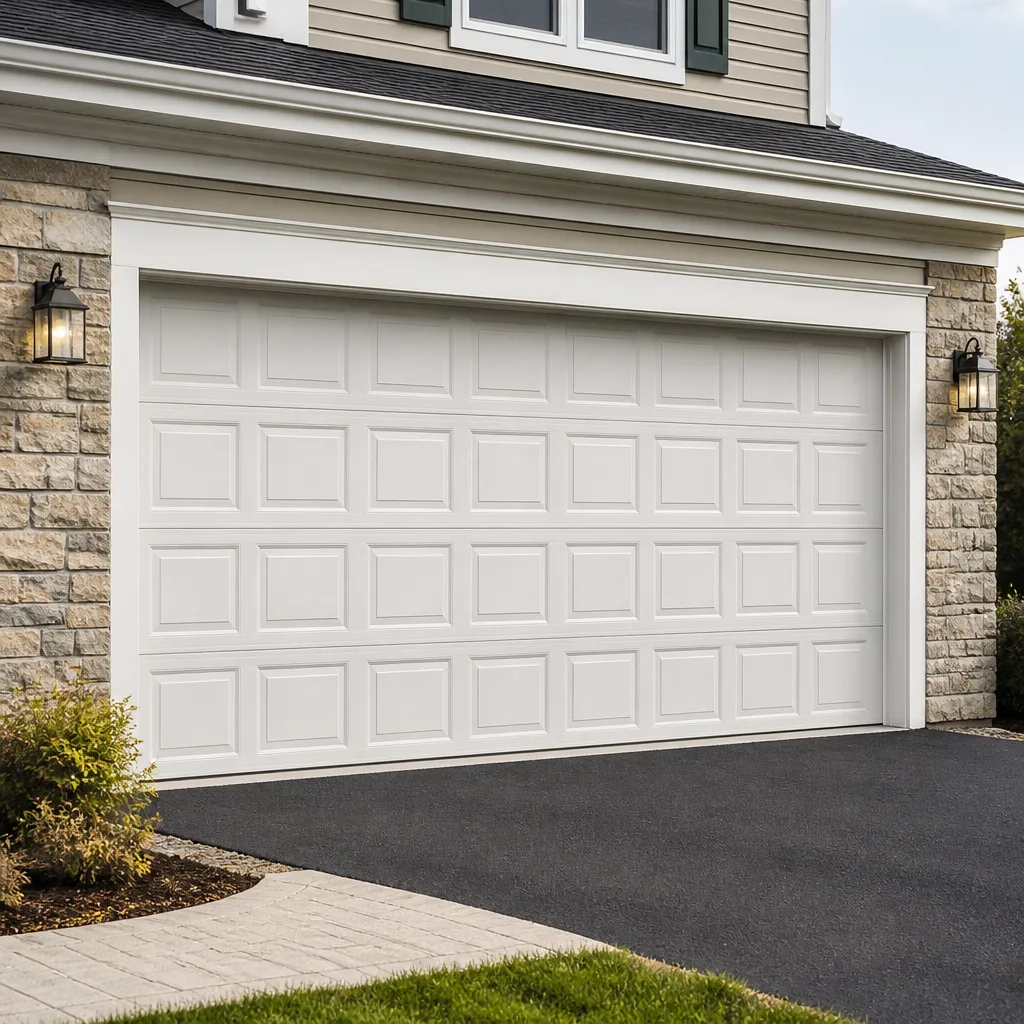 Raised-panel steel
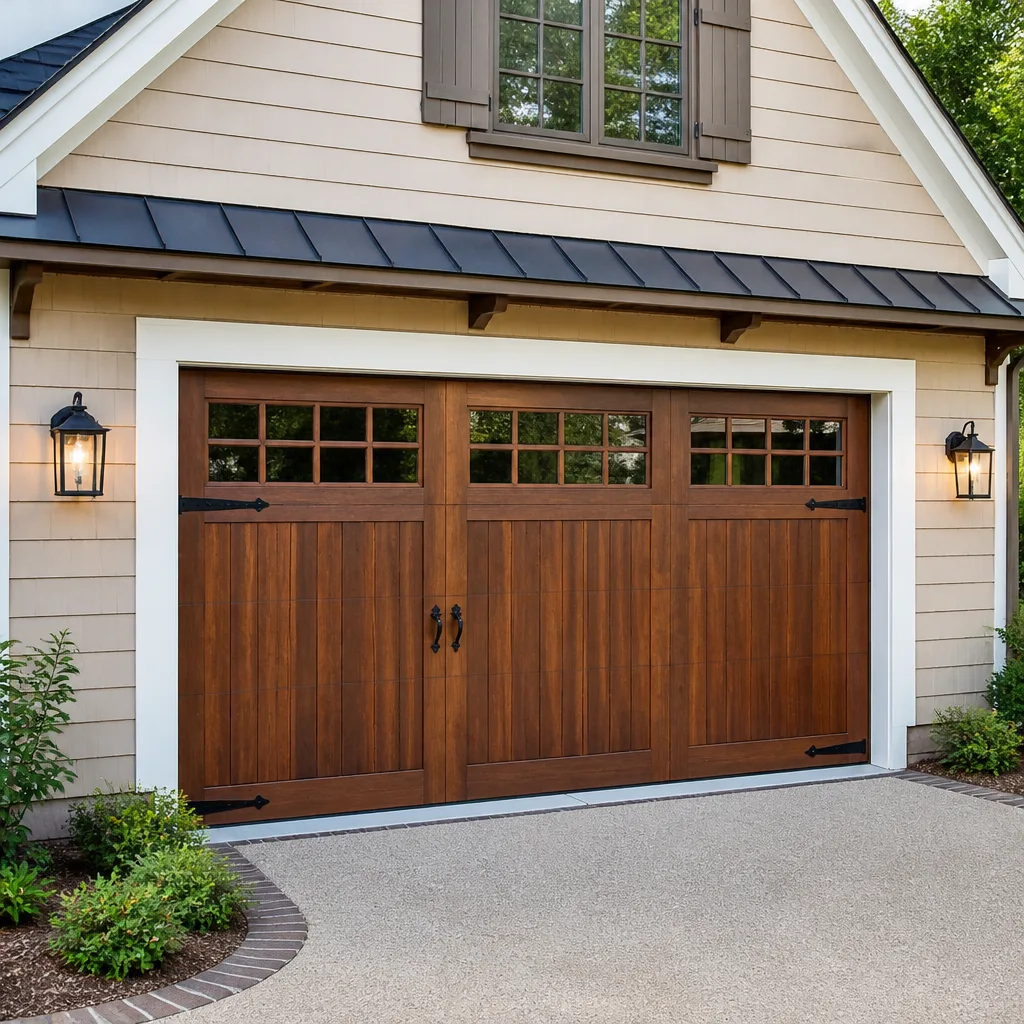 Carriage house
 Modern flush
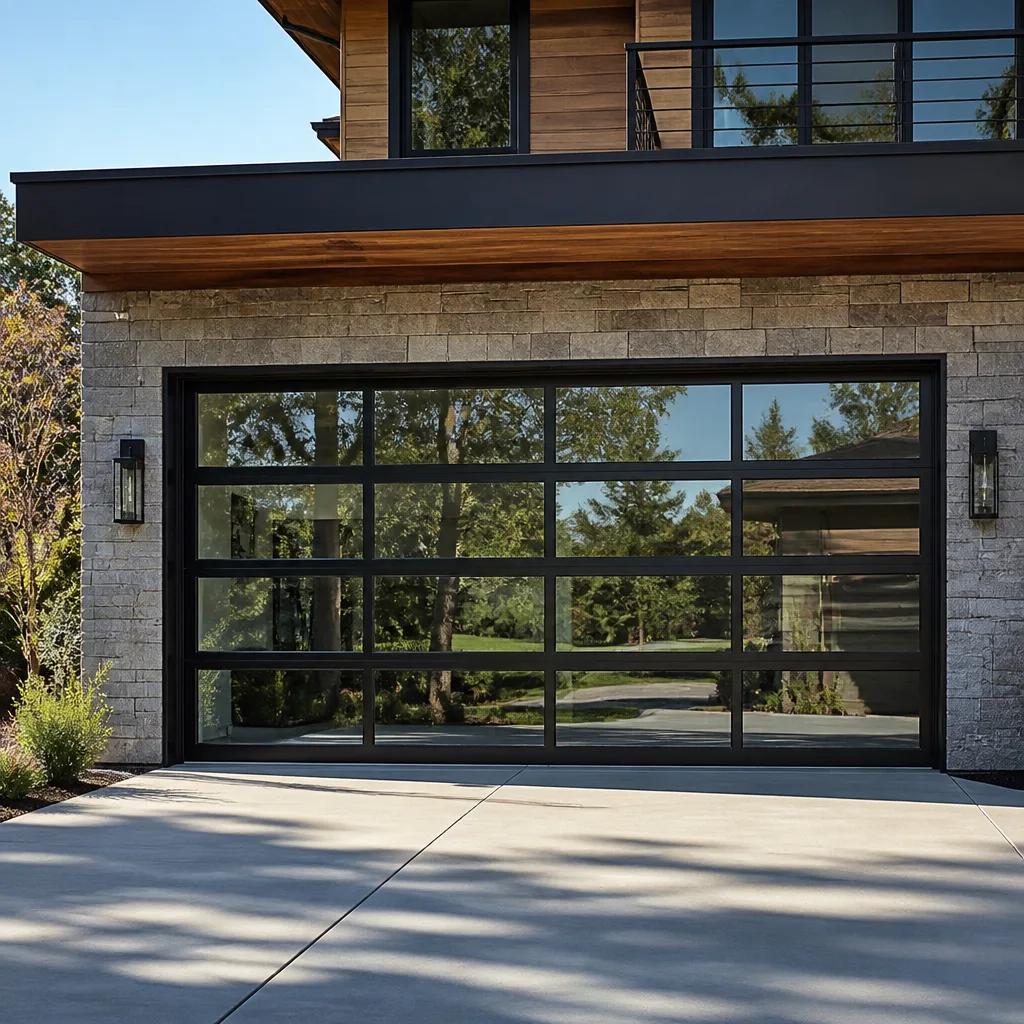 Full-view glass
 LiftMaster openers
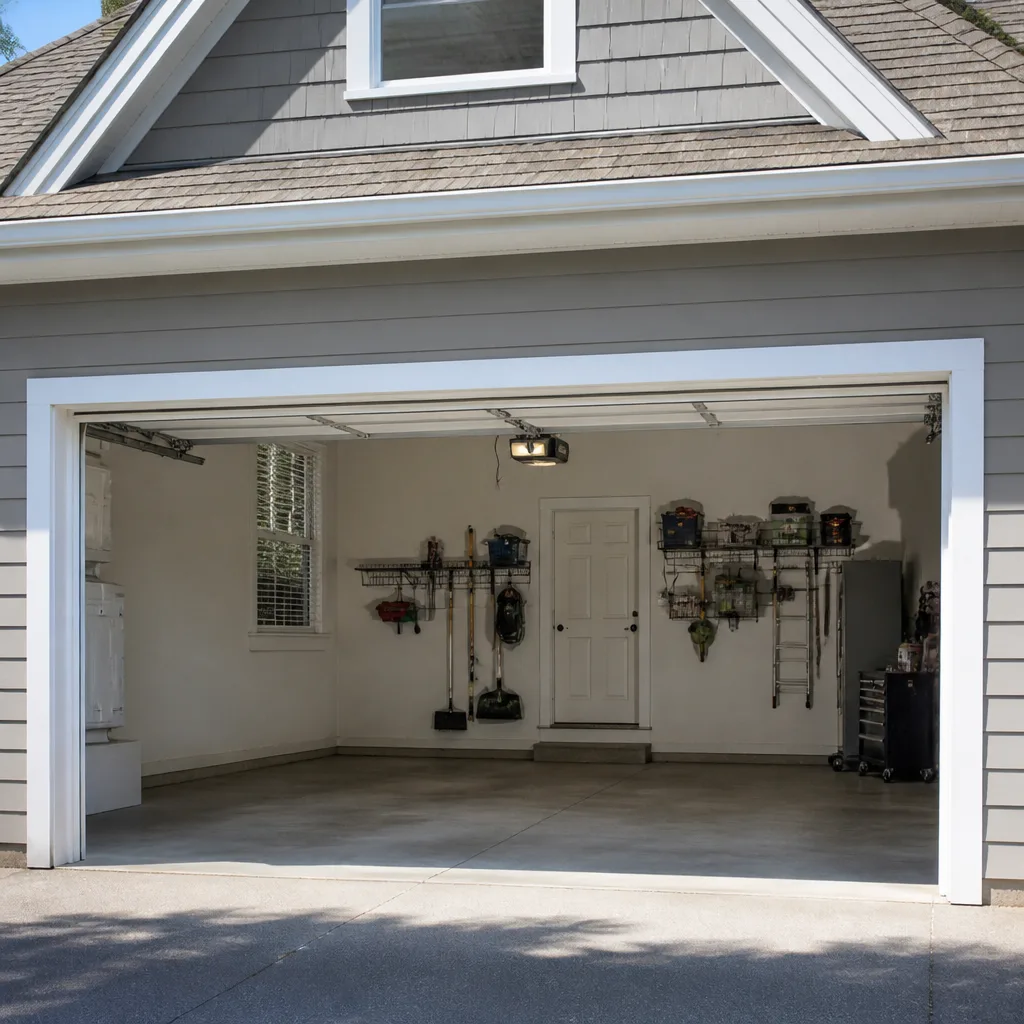 Chamberlain openers
Full 25-point door and opener safety check with every visit - springs, cables, rollers, tracks, and your LiftMaster or Chamberlain opener included
You get a price before we start. It does not change when the truck arrives.
Get your free estimateGarage Door Repair Troubleshooting in Oklahoma City: Common Problems and How to Fix Them
A door that reverses before closing and a door that won’t move at all look like two different problems. But in Oklahoma City’s heat cycles, they’re often caused by the same warped track. This guide teaches you to read your door’s symptoms like a technician would, so you know what you’re dealing with before you pick up the phone. You’ll learn which five mechanical root causes account for most failures in Oklahoma City, which checks are safe to do yourself, and which ones you should never attempt without a trained professional.
Quick Answer
Most garage door problems in Oklahoma City fall into five categories: broken or worn springs, track misalignment, sensor issues, opener motor strain, and worn rollers or hinges. You can safely check sensor alignment, remote batteries, and visible track obstructions on your own. Anything involving springs, cables, or track realignment needs a technician, because those components are under extreme tension and can cause serious injury.
Styles & brands we work with
- Raised-panel steel
- Carriage house
- Modern flush
- Full-view glass
- LiftMaster openers
- Chamberlain openers
Table of Contents
- The Symptom-to-Cause Decision Tree: What Your Door Is Telling You
- Why Oklahoma City’s Temperature Swings Cause Track Warping and Spring Drift
- Safe DIY Checks: What You Can Do Without Tools
- The Balance Test: The One Visual Check That Reveals Most Problems
- What Needs a Technician: Springs, Cables, and Track Realignment
- How to Describe the Problem So the Right Parts Arrive First
- Common Mistakes to Avoid
- When to Call a Professional
- Frequently Asked Questions
The Symptom-to-Cause Decision Tree: What Your Door Is Telling You
Every garage door symptom points to a specific mechanical cause. Learning to read those symptoms saves you from paying for guesswork. Here is how a technician approaches a door that is acting up. We have organized this as a decision tree so you can trace your exact symptom to its likely root cause before anyone arrives at your home.
Start With the Sound
What you hear narrows the diagnosis faster than what you see. Different failures produce distinct sounds.
- Grinding or squealing: Worn rollers or hinges. The metal bearings inside the roller have degraded, and metal is dragging on metal inside the track.
- A loud bang like a gunshot: A torsion spring snapped. This is common in Oklahoma City because repeated hot-cold cycles weaken the spring steel over time.
- A rattling or chattering: Loose hardware, usually track bolts or hinge screws that have backed out from vibration.
- A humming without movement: The opener motor is running but the door is not moving. This usually means the disconnect rope was pulled, the gear inside the opener is stripped, or the door is bound in its tracks.
- Scraping against the track: The door is off-balance and leaning into one side, or a track bracket has shifted.
Then Look at the Behavior
What the door does when you hit the button tells you the second half of the story.
- Reverses before fully closing: Either the safety sensor eyes are misaligned or blocked, or the close-force limit is set too low. In an Oklahoma City summer, metal expands and a track that was fine in February can catch the door and trigger the reversal.
- Starts down, stops, and goes back up: The sensor eyes have lost their line of sight. This is a photoelectric interruption, not a mechanical failure.
- Moves slowly or strains: The opener motor may be working against added friction from a dry track, a warped rail, or a door that is out of balance. The motor is not weak; it is being asked to lift more than it should.
- Door moves a few inches and stops: A broken spring is the prime suspect. The opener cannot lift the full weight alone, and its internal limits shut it down to prevent motor burnout.
- Door shifts or jerks to one side as it moves: A cable has slipped off a drum or a spring has lost tension on one side only. The door is lifting unevenly.
This decision tree covers the vast majority of what we see on garage door repair calls across Oklahoma City. If your symptom matches more than one line, you likely have a primary failure that caused a secondary one, a snapped spring is often followed by a bent track.
Why Oklahoma City’s Temperature Swings Cause Track Warping and Spring Drift
Oklahoma City gets freezing winters and 100°F summers in the same calendar year. Metal expands when it is hot and contracts when it is cold. Over thousands of cycles, that expansion and contraction works on every steel component in your door system. Here is what happens in practical terms, and why national guides that ignore climate miss the real story.
Track Warping
Your vertical and horizontal tracks are steel channels that guide the door through its full travel. In Oklahoma City, the metal in those tracks can expand in July heat enough to bow slightly outward if the mounting brackets are not perfectly square. When the temperature drops in January, the metal contracts and the bow can become permanent. A warped track creates pinching points where the roller binds. That binding produces the reversal-before-closing symptom, the scraping sound, and sometimes the door stops moving entirely.
Spring Tension Drift
Torsion springs and extension springs are rated to lift a specific door weight through a specific number of cycles. That rating assumes a consistent operating temperature. When a steel spring sits in a 100°F garage in August, it softens slightly and loses a fraction of its stored tension. When the same spring sits in a 20°F garage in February, it becomes slightly more brittle and its coil diameter changes by a measurable amount. Neither of those changes is huge on its own. But across a full Oklahoma City year, the tension on the spring drifts. A door that was perfectly balanced in May may be noticeably heavier to lift by December. That drift shortens spring life and forces the opener motor to work harder, which is why so many Oklahoma City doors need spring replacement in the first cold snap of the season.
What You Can Do About It
You cannot stop thermal expansion, but you can reduce its effect. Lubricating the track where the rollers travel twice a year reduces the friction that amplifies the binding. Keeping the track brackets tight prevents the slow shift that lets a bowed track get worse. And having the spring tension checked before each winter means the door starts cold season in balance rather than fighting a drifting spring. We have seen doors go another few years with simple seasonal maintenance when they would have failed without it.
Safe DIY Checks: What You Can Do Without Tools
You do not need to touch anything dangerous to diagnose most garage door issues. These checks require no tools, no climbing, and no contact with the parts that carry tension. If you can hold a flashlight and read a wall button, you can perform every check on this list.
- Inspect the safety sensor eyes. Find the two small units near the floor on either side of the door opening. Each has a small light. Both lights should be solid, not blinking. If one is blinking, something is breaking the beam. Wipe the lens with a dry cloth and check that the two units point directly at each other.
- Check the remote battery. If the wall button opens the door but the remote does not, replace the remote battery. This is the most common false alarm in garage door troubleshooting in Oklahoma City, and it costs about two dollars to rule out.
- Look for visible track obstructions. Scan both vertical tracks from bottom to top. Look for leaves, small stones, or caked grease that could stop a roller from passing. A single pebble in the track can cause the door to reverse before closing.
- Watch the door move. Stand clear and run the door open and closed. Watch for jerking, leaning, or sections that flex more than the rest. If the door leans left or right, the springs or cables are out of balance.
- Test the wall button. If the wall button works but remotes and keypads do not, the opener itself is fine. The issue is in the transmitter, not the drive system.
- Check the emergency release. The red rope hanging from the rail should be hanging freely, not caught in the rail or wrapped around anything. If the rope was pulled and the carriage is disconnected, the opener will run but the door will not move.
If all of these checks pass and the door still misbehaves, the cause is mechanical rather than electrical. That is the point where you should stop doing your own diagnosis. The next step involves springs and cables, and those are not components to experiment with.
The Balance Test: The One Visual Check That Reveals Most Problems
There is one test that tells a technician more about a garage door than anything else. You can do it safely from the inside of the garage, and it takes under a minute. It is called a balance test, and it reveals about 80% of mechanical problems before any tools come out.
Here is how it works. Close the door. Pull the red emergency release rope to disconnect the door from the opener carriage. Then lift the door by hand from its bottom edge. A properly balanced door should lift smoothly to about waist height and stay there on its own. It should not shoot up, and it should not slam down.
What the test tells you:
- Door feels very heavy and falls when you let go: The springs have lost tension or one is broken. The springs are supposed to counterbalance the door’s weight. If they are not, the full weight lands in your hands, and the opener motor has been carrying that extra load on every cycle.
- Door shoots up hard the moment you lift: The springs are overwound and applying more force than the door needs. That puts stress on the cables and the opener.
- Door catches or binds at a certain height: The track is warped or has a pinched roller path. Mark the height where it binds so you can describe it over the phone.
- Door drifts back down slowly after you set it at waist height: The spring tension is slightly weak, but not fully gone. The door is marginally balanced and the opener is compensating.
If the door does not hold at waist height, leave the door in the closed position and re-engage the opener by pressing the wall button until the carriage clicks back into place. Then call a technician. The balance test is a diagnostic, not a fix. What it does is hand you an accurate answer when someone asks what you are seeing.
What Needs a Technician: Springs, Cables, and Track Realignment
Some garage door problems are safe to investigate. Others are not. The line is clear: if a component stores mechanical energy, it is not a do-it-yourself job. In the garage door world, that means springs and cables.
Garage Door Springs
Torsion springs are mounted on a shaft above the door and wound to hold hundreds of pounds of lift force. Extension springs stretch along the horizontal track and store force the same way. When either type snaps or loses tension, the stored energy releases suddenly. A spring that lets go while you are working on it can cause serious injury. The force involved is not like a loose screw or a falling board; it is concentrated, fast-moving steel. There is no safe way to rewind a torsion spring without the correct winding bars and an understanding of how the spring is indexed on the shaft. This is where trained professionals earn their keep.
If you suspect a spring problem because the door is heavy, the balance test failed, or you heard a loud bang, stop using the door and call for garage door repair. The spring replacement includes rebalancing the whole system, and it should be done as a matched pair, not one spring at a time.
Lift Cables
The cables ride on drums at each end of the spring shaft and connect to the bottom corners of the door. They carry the lifting force from the springs to the door itself. When a cable frays or jumps the drum, the door can drop suddenly on that side. Cables stay under tension even when the door is closed. Working on a cable means releasing the spring tension first, which is not something to attempt with household tools.
Track Realignment
A track that has been knocked out of square by a car bumper or shifted by a loose bracket cannot be bent back by hand. The adjustment involves measuring the gap between the track and the door edge at several points, then resetting the bracket positions and rechecking the travel. If the track is warped from heat cycling rather than impact, the fix may require replacing a section. Either way, the work goes faster and safer with a technician who does this every day.
Bellmont Garage Door Repair includes Genie, Clopay, and Amarr systems in our regular service rotation, so a track or spring issue on those brands is familiar territory rather than a learning curve.
How to Describe the Problem So the Right Parts Arrive First
When you call for garage door opener repair or general door service, what you say in the first minute determines whether the technician arrives with the right parts. A precise description saves a second trip. Here is how to report the problem the way a technician hears it.
- State the brand and type of opener. Say “I have a Genie opener and a Clopay door” or “It is a Wayne Dalton door with a Chamberlain opener.” The brand tells us which parts are likely needed and whether the system uses a specific rail type or drive style.
- Describe the sound. Use plain words: grinding, banging, humming, rattling, or squealing. Do not interpret it. Just say what you hear.
- Say what the door does. Does it reverse before closing? Move a few inches and stop? Open but not close? The more specific, the better.
- Report the balance test result. If you did the balance test, say whether the door held at waist height or fell. That single data point tells the technician whether the springs are involved.
- Mention any recent changes. If you replaced a remote battery, realigned the sensors, or pulled the emergency release recently, say so. It rules out false leads.
- Note the age of the door and opener if you know it. A door from 2009 has different likely failure points than one installed last year. You do not need exact dates; a ballpark is enough.
A good phone description does not need to sound technical. It needs to be accurate. When we know the brand, the symptom, and the balance test result before we leave the shop, we are far more likely to finish the job on the first visit.
Common Mistakes to Avoid
- Spraying WD-40 on the tracks. WD-40 is a solvent, not a track lubricant. It dries out the track and attracts dust. Use a silicone or lithium spray made for garage doors, and wipe the excess.
- Adjusting the travel limits to fix a reversing door. If the door reverses because the track is binding or a spring is weak, turning up the force settings only masks the real problem. Worse, you are telling the opener to push harder into a bind.
- Reconnecting the opener after a balance test without re-engaging the carriage properly. Half the service calls that follow a DIY balance test are from the carriage not seating correctly. Press the wall button until you hear the carriage click into the trolley.
- Replacing one spring instead of both. When one spring breaks, its partner has completed the same number of cycles and is near the end of its life. Replacing only one leaves a mismatched pair and a door that cycles unevenly.
- Ignoring a door that is slightly out of balance. A door that is slightly heavy on one side puts more strain on the opener gear and the rollers. The longer that imbalance runs, the more parts it wears.
- Leaving the emergency release rope tied to the handle. If the rope is looped or knotted, it can catch on the rail or the opener arm and disconnect the door at the worst possible moment.
When to Call a Professional
You should call a professional whenever the door is involved with stored tension, meaning springs or cables, or when the track is so far out of square that the door binds on every cycle. You should also call when you have replaced the remote battery, cleaned the sensors, and confirmed the track is clear, but the door still misbehaves. That is the point where continued trial and error starts costing more than a proper diagnosis.
Bellmont Garage Door Repair offers free estimates in Oklahoma City. Call (833) 842-7854. We answer 24/7. Fast dispatch from 7am to 7pm, Sunday through Friday. Garage doors are all we do, and we service the brand you already own, from Wayne Dalton doors to Amarr panels to Genie openers. Diagnosed correctly the first time.
Frequently Asked Questions
In most cases, a garage door that reverses before closing has either a misaligned safety sensor eye or a close-force limit set too low for the current friction. In Oklahoma City specifically, summer heat can expand the metal track enough to create a bind that trips the reversal. Check the sensor eyes first, then look for a track pinch point. If both look fine, call (833) 842-7854 for a free estimate, because the cause may be a weakening spring that is dropping the door too fast and triggering the safety mechanism.
Spring replacement is priced per job by the written estimate, not by a fixed rate. The cost depends on the door weight, the spring type, whether you have one spring or two, and the brand of the door. We quote the price and agree on it before any work starts. Call (833) 842-7854 for an exact quote. Estimates are free.
No. Torsion and extension springs store enough force to cause serious injury if they release while you are working on them. Replacing or rewinding a spring requires specific winding bars and the knowledge of how the spring sits on the shaft. This is a job for a trained technician. The cost of professional spring replacement is far lower than the risk of doing it without the right equipment.
A humming opener with no movement usually means the motor is running but the drive is not engaging. The most common causes are a pulled emergency release rope, a stripped gear inside the opener, or a door that is bound in its track so tightly the motor cannot budge it. If the emergency rope is hanging free, call us at (833) 842-7854 for opener diagnosis. We answer 24/7.
Twice a year is a good rhythm for Oklahoma City’s climate, once before summer and once before winter. A seasonal check catches spring tension drift and track bow before they turn into breakdowns. Lubricating the rollers, hinges, and springs twice a year also extends the life of your door system, especially on Genie and Clopay systems that see daily use.
Yes. We work on Wayne Dalton and Amarr door systems along with several other widely installed brands. Our technicians see these brands regularly, which means faster diagnosis and the right parts on the truck more often. Call (833) 842-7854 to schedule a free estimate. We answer 24/7. Fast dispatch from 7am to 7pm, Sunday through Friday.
The Bottom Line
Most garage door failures in Oklahoma City come down to five mechanical root causes: broken springs, warped tracks, misaligned sensors, opener strain, and worn rollers. You can safely check sensors, remote batteries, and track obstructions yourself. The balance test gives you a clear-eyed read on spring health before you call anyone. When the problem involves springs, cables, or track realignment, you need a trained technician. Bellmont Garage Door Repair services the brands you own, from Genie openers to Clopay, Amarr, and Wayne Dalton doors. Call (833) 842-7854 for a free estimate. We answer 24/7. Fast dispatch from 7am to 7pm, Sunday through Friday.
Written by the team at Bellmont Garage Door Repair, serving Oklahoma City since 2014.
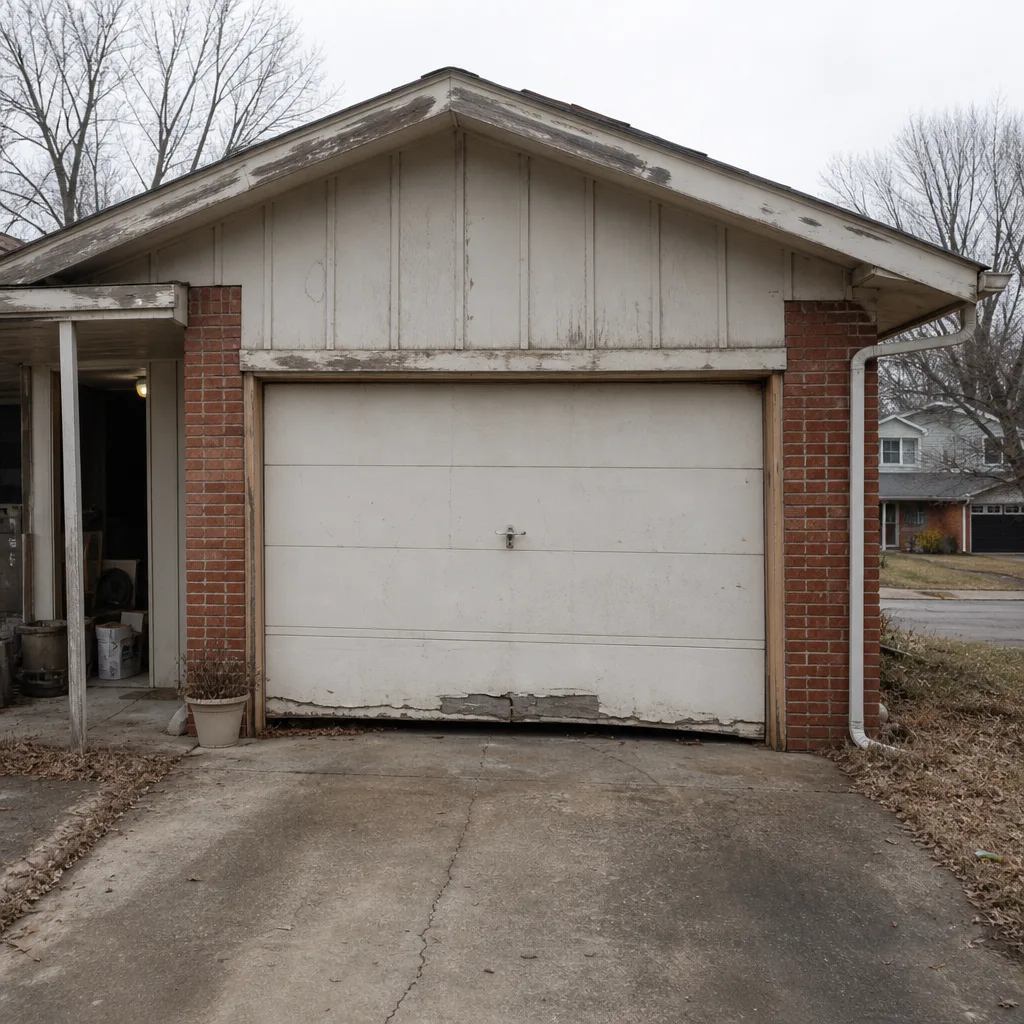
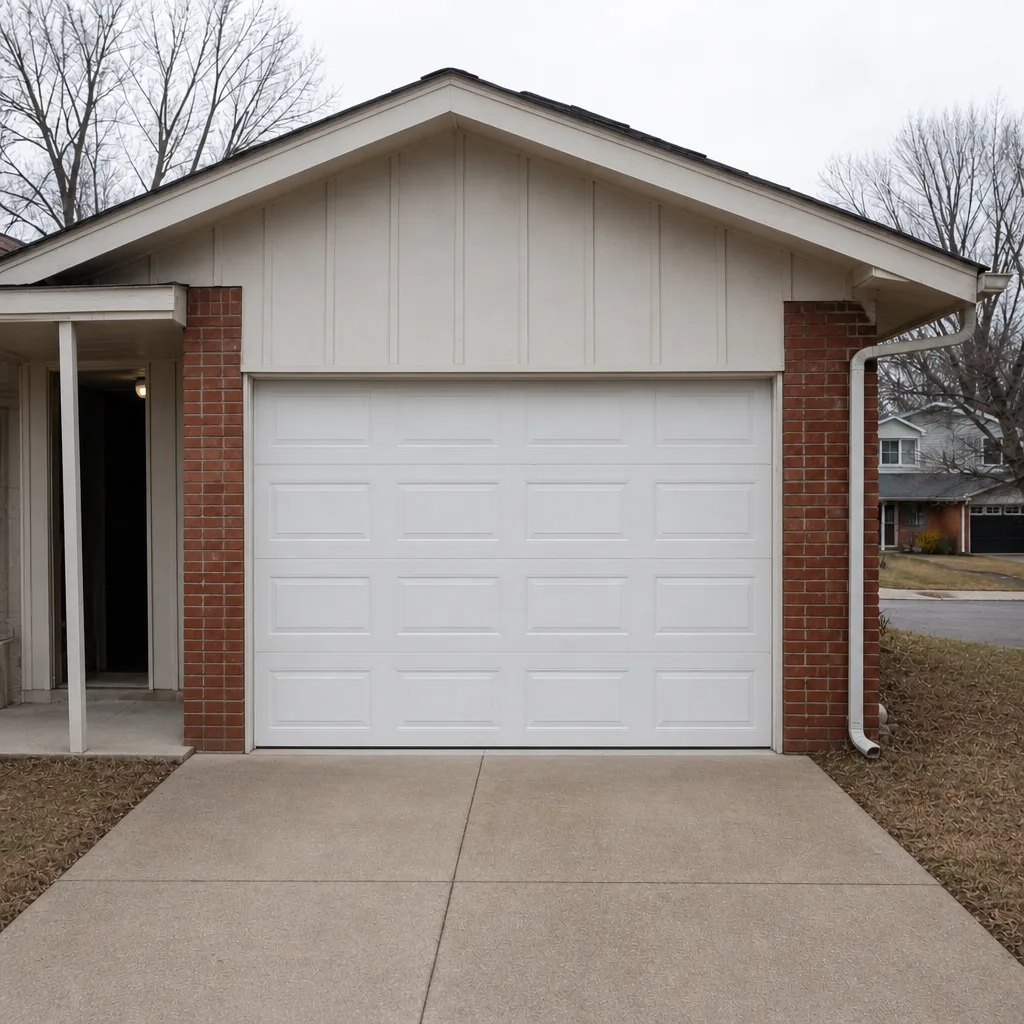
See the difference
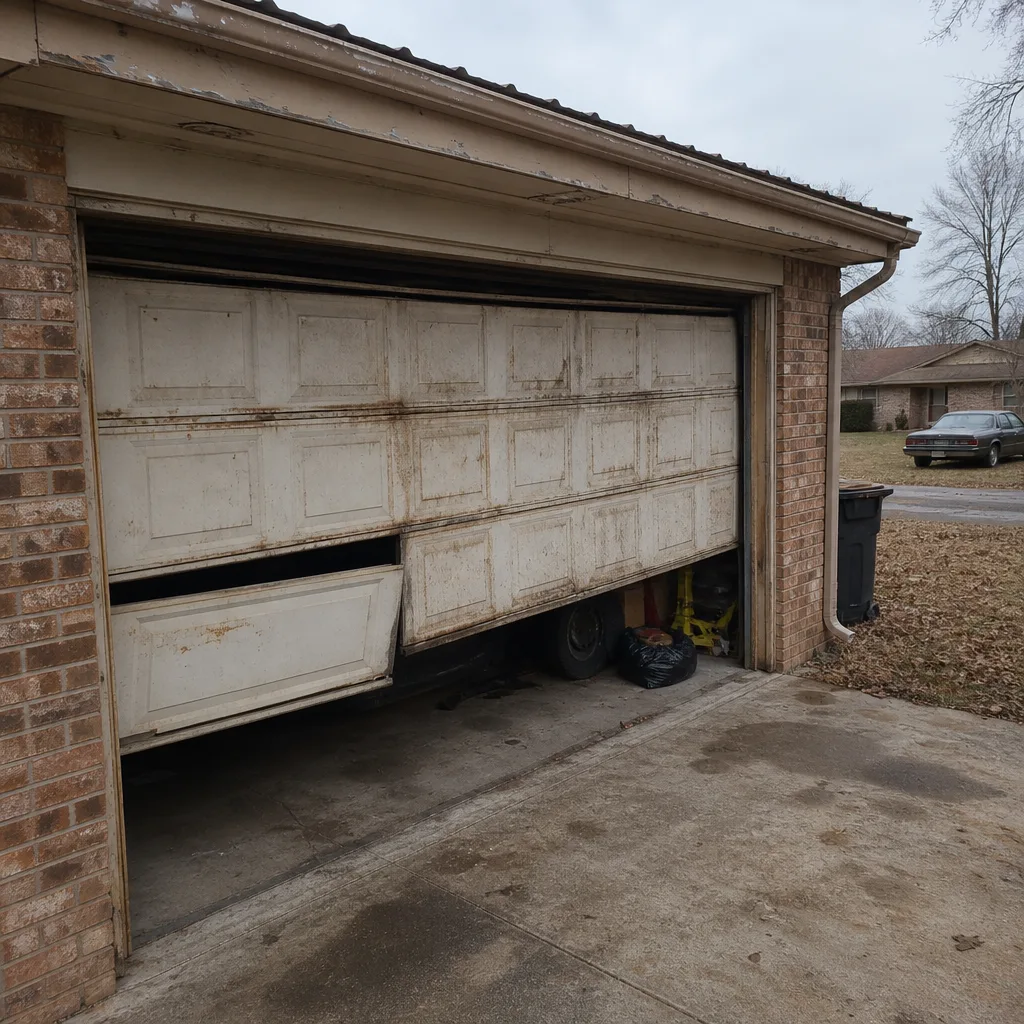 Before
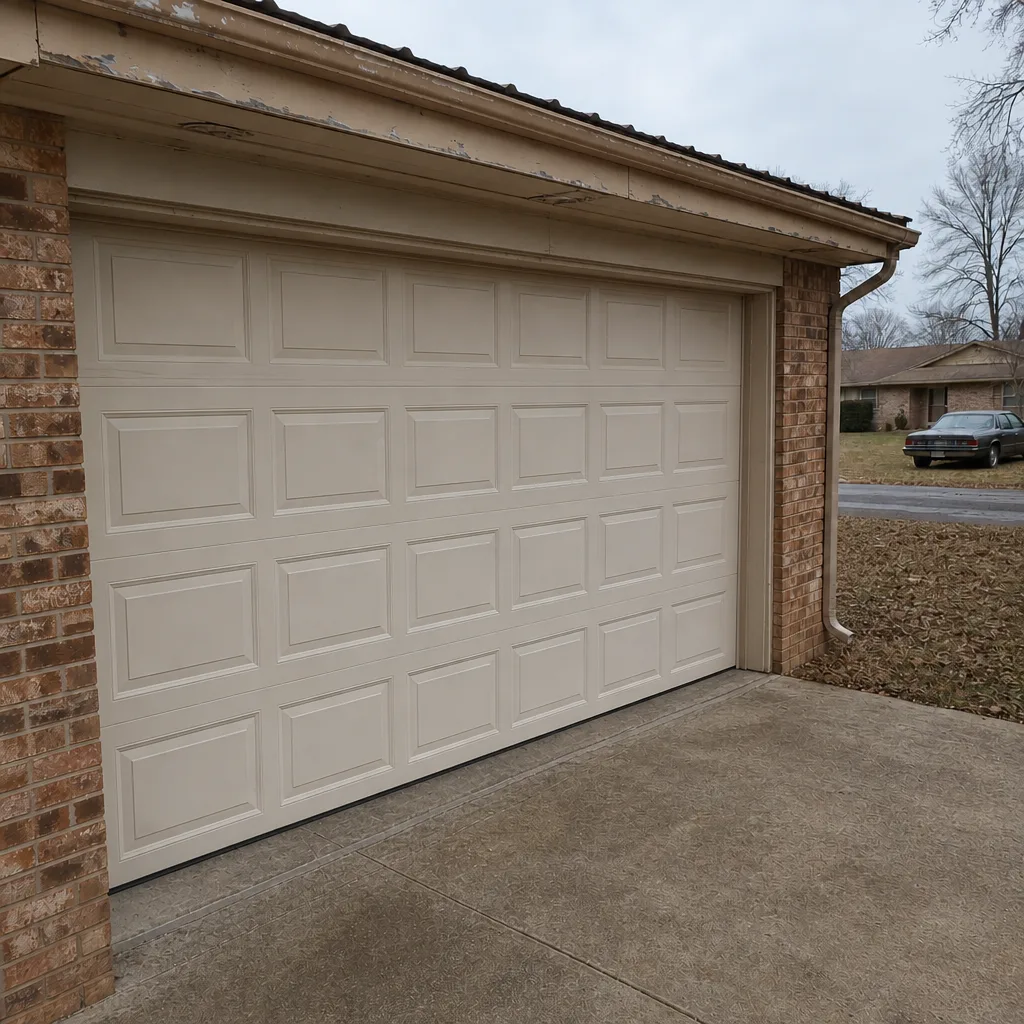 After
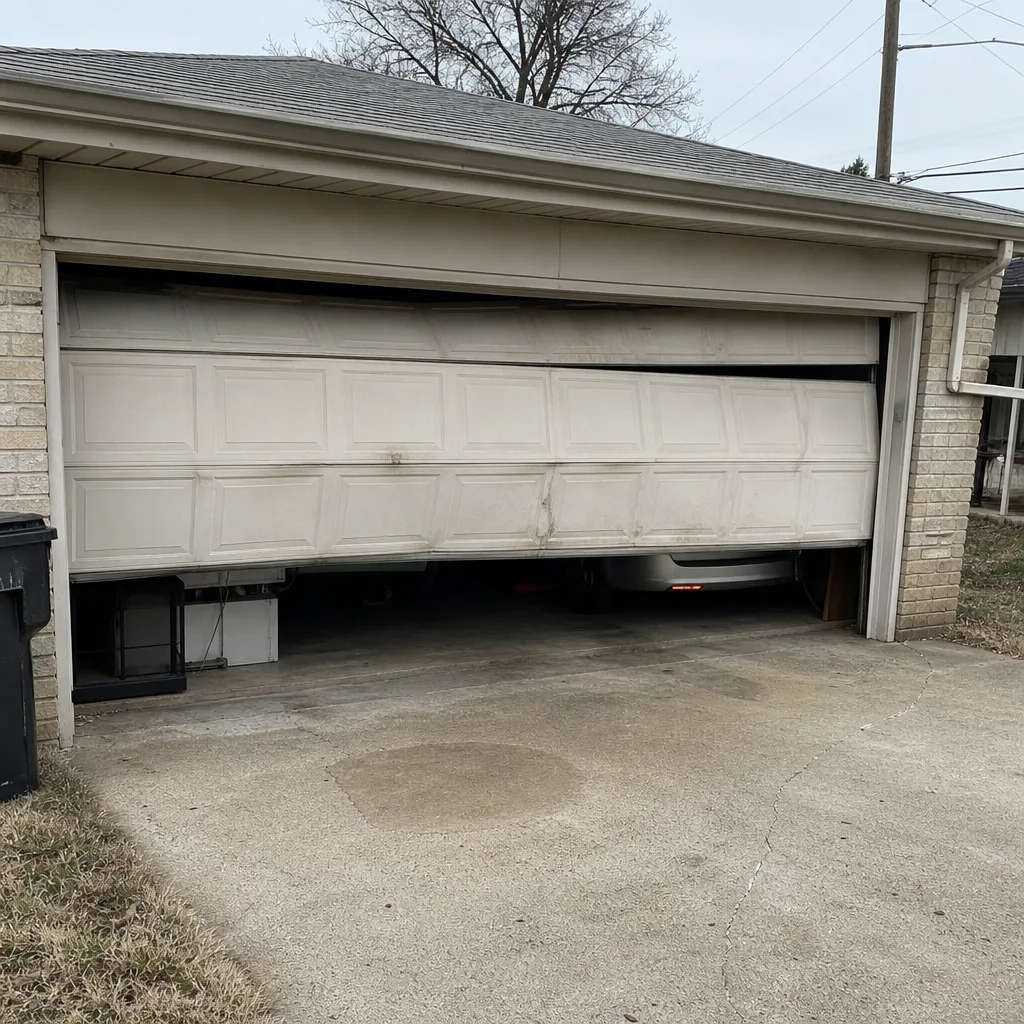 Before
 After
 Before
 After